What Causes a Bathroom Sink to Overflow Repeatedly in San Antonio?
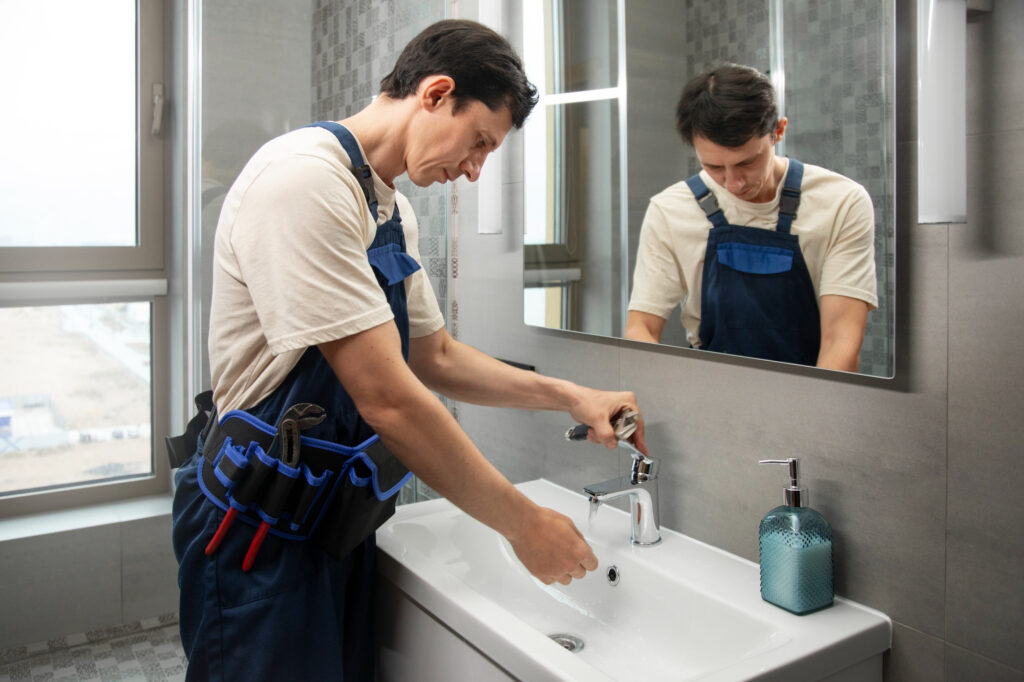
What causes a bathroom sink to overflow repeatedly in San Antonio? Hair, soap scum, clogged drain pipes, blocked plumbing vents, tree roots, and aging pipes can all restrict water flow and cause recurring backups. This guide explains why a sink may overflow even after plunging or snaking, plus practical steps to stop the problem. Find out how to recognize deeper sewer line issues, when DIY methods are appropriate, and when professional drain cleaning, hydro jetting, or plumbing repair can help restore proper drainage and prevent future bathroom sink overflows.
Why Are My Plumbing Pipes Vibrating Behind the Walls? What It Means and How to Fix It
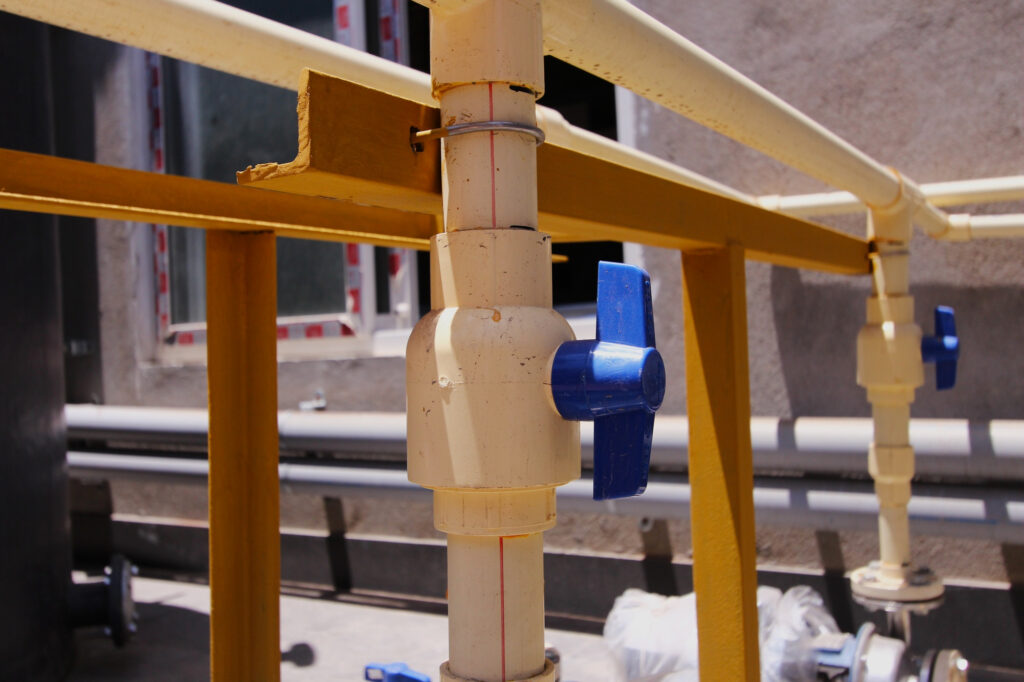
Why are my plumbing pipes vibrating behind the walls? Rattling, humming, or shaking pipes can result from water hammer, high water pressure, loose pipe supports, worn valves, or trapped air. While occasional vibration may be harmless, persistent movement can loosen fittings and increase the risk of leaks or pipe damage. This guide explains the common causes of vibrating plumbing pipes, simple troubleshooting steps, and warning signs that require professional attention. Find out how proper water pressure, secure supports, and regular plumbing inspections can help keep your home’s plumbing system quiet and reliable.
Why Does My Faucet Whistle Every Time I Turn It On? Common Causes and Solutions
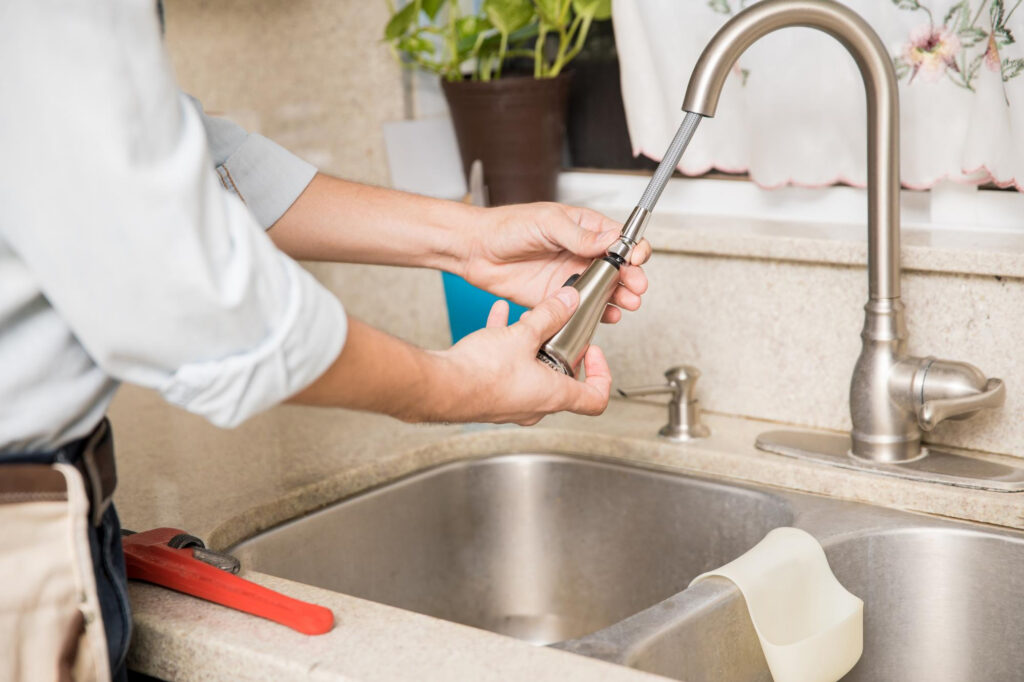
Why does my faucet whistle every time you turn it on? Common causes include high water pressure, worn cartridges, clogged aerators, loose washers, and mineral buildup. This guide explains why kitchen and bathroom faucets whistle and how to fix the problem. Follow simple troubleshooting steps, from cleaning the aerator to checking water pressure and replacing worn parts. If the noise continues or several fixtures whistle, a plumber can identify pressure problems or hidden plumbing issues before they become costly. Find practical solutions and maintenance tips to keep your faucet working quietly and smoothly.
What Causes Low Water Pressure in Shower and How to Fix It
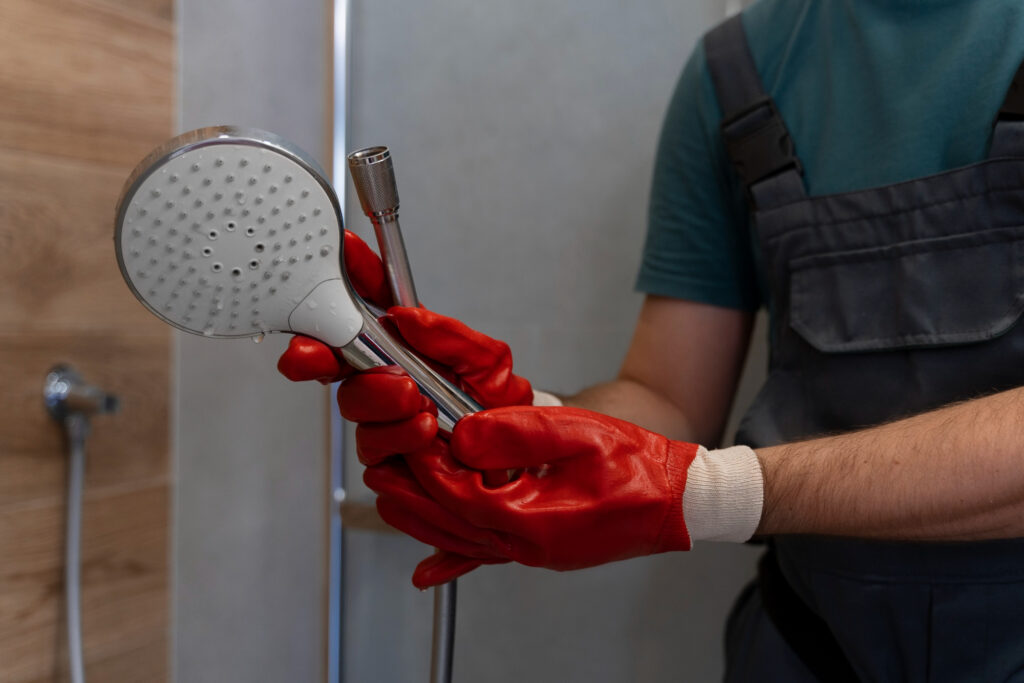
Low shower water pressure can result from clogged showerheads, mineral buildup, hidden leaks, partially closed valves, faulty pressure regulators, or aging plumbing pipes. Identifying the root cause is the first step toward restoring strong, consistent water flow. This guide explains the most common reasons shower pressure drops, simple troubleshooting methods you can try at home, effective repair options, and signs that indicate professional plumbing services are needed to resolve the problem and keep your home’s plumbing system working efficiently for years ahead.
Why Do My Pipes Make a Knocking Noise? Common Causes and Fixes
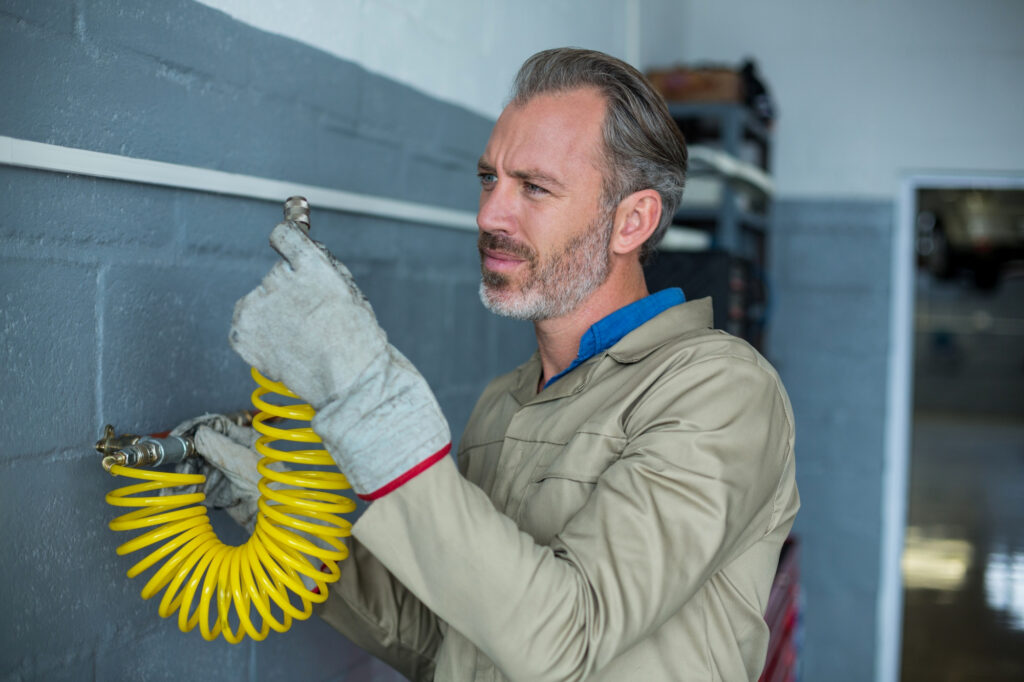
Knocking pipes are usually caused by water hammer, high water pressure, trapped air, loose pipe supports, or thermal expansion inside your plumbing system. Ignoring the noise can lead to leaks, damaged pipe joints, and costly repairs over time. This guide explains the most common reasons pipes make knocking sounds, simple troubleshooting steps you can try, effective repair solutions, and signs that indicate it’s time to contact a professional plumber to protect your plumbing system and restore quiet, reliable water flow throughout your home.
How to Remove Air From Water Pipes in Your Home
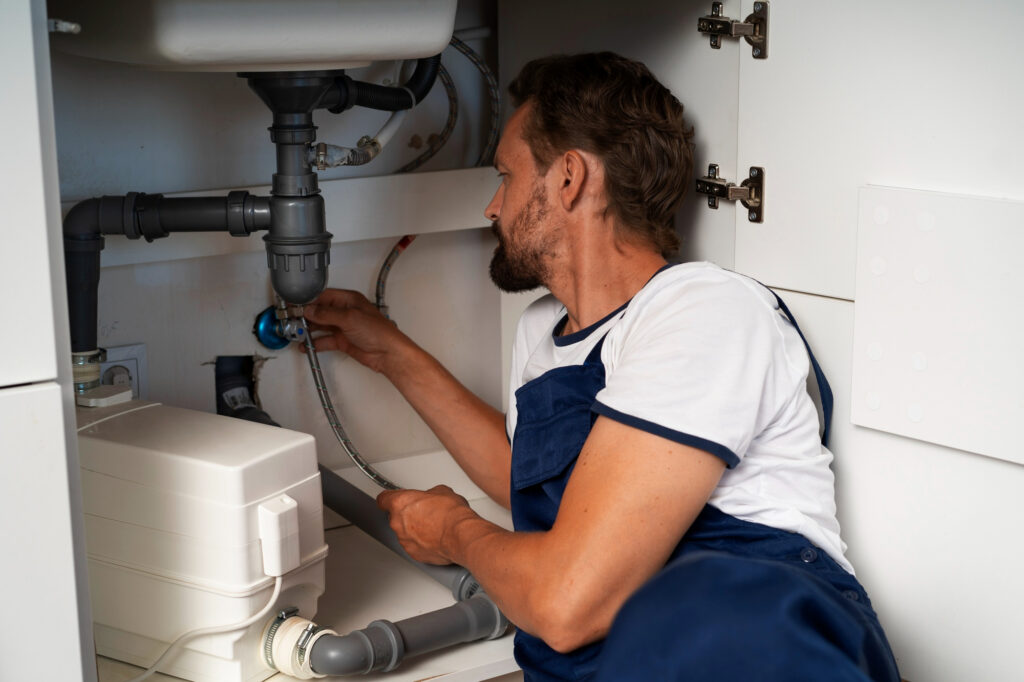
Air trapped in your home’s water pipes can cause sputtering faucets, uneven water pressure, and noisy plumbing fixtures after repairs or a water shutoff. This guide explains why air enters the plumbing system, how to remove it safely by flushing your water lines, common warning signs to watch for, and when recurring air problems may indicate hidden leaks, faulty valves, or pressure issues that require professional plumbing inspection and repairs to restore reliable water flow throughout your home.
How to Turn Off Water Under Kitchen Sink: A Step-by-Step Guide
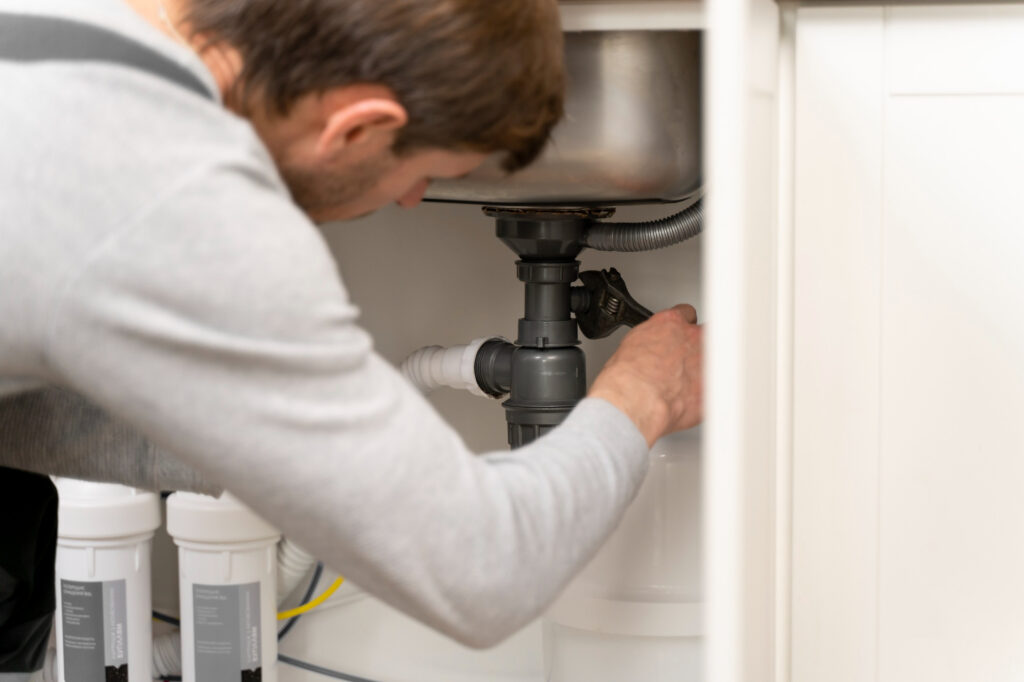
Turning off the water under your kitchen sink is a simple task that helps prevent leaks and makes faucet or plumbing repairs safer. Most sinks have separate hot and cold shut-off valves that can be closed in just a few steps. This guide explains how to locate and operate the valves, troubleshoot stuck or leaking shut-off valves, maintain them for long-term reliability, and recognize when professional plumbing repair is the safest solution to avoid water damage and costly repairs around your home.
Common Commercial Plumbing Problems and How to Avoid Them

Commercial plumbing problems can disrupt daily operations, increase repair costs, and create health and safety risks for businesses. Common issues such as clogged drains, leaking pipes, low water pressure, and sewer backups often develop gradually but can lead to major damage if ignored. Regular inspections, drain cleaning, grease trap maintenance, and leak detection help prevent costly emergencies. By investing in preventive maintenance and professional plumbing services, businesses can protect their property, stay compliant with regulations, and avoid unexpected downtime that impacts customers and revenue every year.
What Are the Most Common Plumbing Issues in Restaurants?
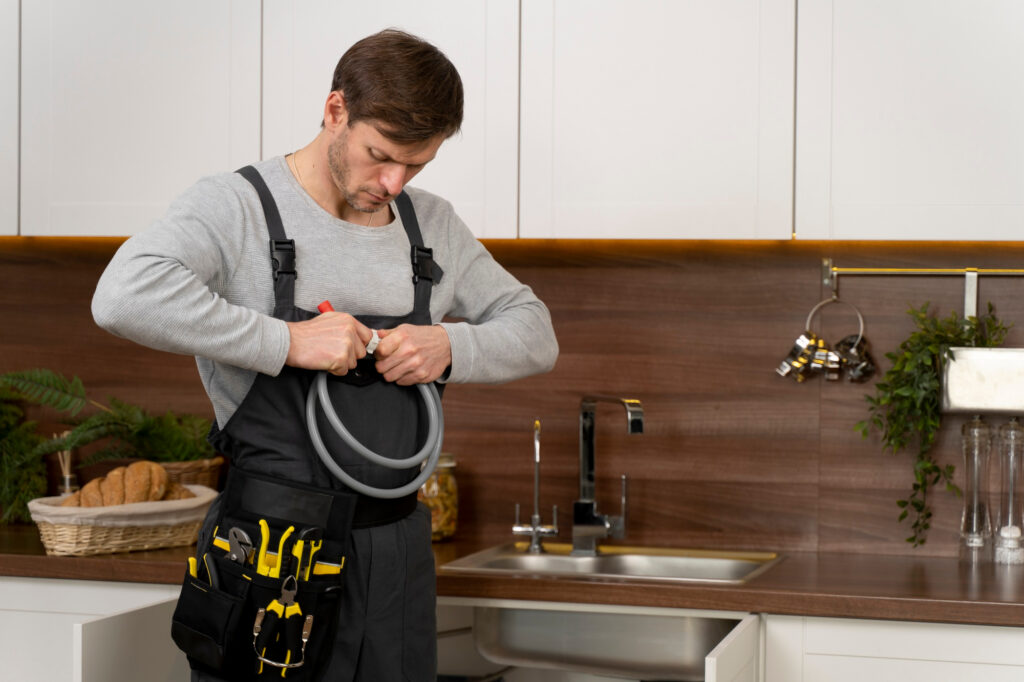
Restaurant plumbing issues can quickly disrupt kitchen operations, create health code violations, and lead to expensive repairs. Common problems include clogged drains, grease buildup, water leaks, sewer backups, and low water pressure. Because commercial kitchens handle large volumes of water, food waste, and grease daily, regular maintenance is essential. Routine inspections, grease trap cleaning, drain maintenance, and prompt leak repairs help prevent unexpected breakdowns. Understanding the warning signs of plumbing trouble allows restaurant owners to protect their business, reduce downtime, and keep operations running efficiently and safely every day.
Common Commercial Plumbing Problems (And How to Prevent Them)

Commercial plumbing issues can disrupt daily operations, increase repair costs, and create safety concerns for businesses. This guide explains the most common problems, including leaking pipes, clogged drains, sewer backups, low water pressure, water heater failures, grease trap blockages, and burst pipes. Learn the warning signs to watch for, practical maintenance strategies to prevent expensive breakdowns, and when to call a professional plumber. Proactive inspections and routine service help protect your property, extend system life, and keep your business running smoothly.