
Introduction
Have you noticed an increase in your water bill or water spots around your home? These could be signs of a slab leak, a common but often overlooked problem for homeowners in Arlington, TX. Slab leaks waste water and can damage your home’s foundation if left unattended.
In this post we’ll go over simple methods for detecting leaks, how to find and fix slab leaks, how to protect your home, and have peace of mind. We’ll cover the types of leaks you might have, whether a slab leak, a sewer line leak, or a problem with plumbing fixtures. We’ll discuss reliable solutions for how to identify them, DIY options, when to call a plumber, and how to choose the right plumber for slab leak repair in Arlington.
Leaks are a Problem for Arlington, TX Homeowners
Leaks are a constant issue for homeowners in Arlington, TX with the old infrastructure and varying soil conditions. Whether it’s a small drip or a big slab leak, water leaking from plumbing systems can cause costly repairs and even health hazards. The humidity in Arlington makes these issues worse, so early slab leak detection and repair is key. Using advanced technology and specialized equipment for leak detection in Arlington services means taking action fast to prevent damage to your property. Fixing leaks early not only saves you money but also preserves your home’s structure. That’s why you should know leak detection companies and slab leak repair options in your area.
What are the different types of leaks homeowners encounter?
Arlington homeowners face several types of leaks:
- Slab Leaks: These occur when pipes under a concrete slab foundation crack or burst. If left unattended slab leaks can compromise the foundation and cause major damage.
- Gas Leaks: Gas leaks are particularly dangerous and can cause fire and health issues. They often occur due to corroded or damaged gas lines.
- Water Line Leaks: Leaks in main water lines can waste a lot of water and damage lawns and landscaping.
- Faucet Leaks: These are common in kitchens and bathrooms. While small they can still add to your water bill and water waste.
Finding leaks in various plumbing fixtures like sinks, faucets, toilets and water heaters is important to maintain the integrity and functionality of the plumbing system.
Knowing the different types of leaks is the first step to finding and fixing.
How can a homeowner find leaks or potential leaks?
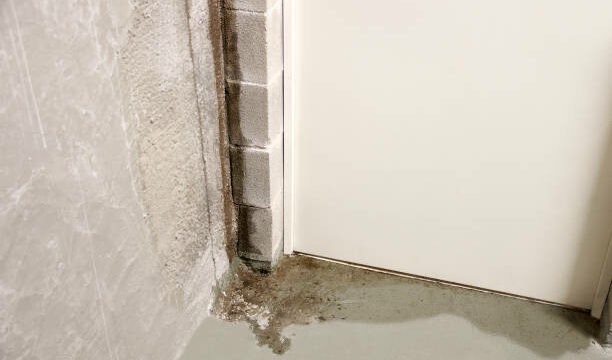
Finding leaks early will save you from costly repairs. Using advanced technology to find water leaks accurately is key, and professional leak detection services are important to help prevent further damage to your property. But here are some things you can do to perform your own leak detection. Here are the signs:
Higher Water Bills
A sudden increase in your water bill without using more water is often the first sign of a leak. Check your monthly water bill to spot anomalies early.
Damp or Wet Spots
Your eyes are often the first tool to use in doing DIY leak detection. Unexplained wet spots on floors, walls or ceilings is a clear sign of a leak. Look for areas that stay wet even with good air circulation.
Sound of Running Water
Your ears are a great tool for leak detection. If you hear water running when all taps are off, it could be a hidden leak. Listen closely especially during quiet hours.
Musty Smell
Your nose can help with leak detection. Leaks can cause mold and mildew which produces a musty smell. If you smell this, investigate further to find the source.
Cracks in Walls or Floors
Cracks in your walls or floors can be a sign of a slab leak affecting your home’s foundation. Address these signs ASAP to prevent further damage.
What are the DIY options for fixing leaks?
While some leaks require professional attention, plumbing leak detection is the first step before you attempt any DIY fixes. Finding leaks from various sources like pipes, faucets, toilets and water heaters will help you know what to do. Comprehensive inspections and maintenance recommendations are key to prevent future plumbing issues. There are DIY solutions for minor issues:
Fixing Faucet Leaks
Faucet leaks are usually due to worn out washers or gaskets. Replacing these parts is a simple task that requires minimal tools.
Using Pipe Sealants
For small leaks in accessible pipes, pipe sealants or tape can be a temporary fix. These products are available at most hardware stores and are easy to apply.
Monitor and Maintain
Regularly inspect your plumbing system to catch minor issues before they become major. Simple tasks like tightening loose fixtures and cleaning drains will prevent leaks and avoid the need to call somebody for leak detection.
While DIY fixes can work for minor leaks, more serious issues like slab leaks require professional attention.
When to Call a Plumber?
Knowing when to call a pro is key to leak management:
Get a reputable leak detection company to do water leak detection to identify and repair slab leaks and prevent further damage and costly repairs.
Persistent Problems
If you’ve tried DIY fixes for leak repair but the problem persists, it’s time to call a pro. Persistent leaks means there’s a bigger issue underlying.
Complicated Leaks
Leaks involving your home’s main water line, gas lines or slab foundation require professional help. Trying to perform leak repair yourself can cause damage and safety risks.
Visible Damage
If you see extensive water damage, mold growth or structural issues, call a plumber immediately. Professionals have the tools and expertise to fix these problems.
Professionals can do thorough inspections, diagnose the problem and provide permanent solutions for leak repair.
How to Choose a Good Plumber for Leak Detection and Slab Leak Repair
There are many plumbing companies out there, and choosing the right plumber is key to reliable leak detection and repair.
Make sure the plumber offers quality plumbing solutions and leak detection practices for residential and commercial properties.
Check Credentials
The plumber should be licensed and insured. This means they have the training and coverage in case of accidents.
Read Reviews
Look for online reviews and testimonials from previous customers. Good reviews is a sign of good service.
Ask for Quotes
Get quotes from multiple plumbers to compare pricing and services. A detailed quote will help you know the scope of work and avoid surprise costs.
Ask About Technology
Ask about the tools and technology the plumber uses for leak detection. Advanced equipment like thermal imaging and acoustic sensors can be more accurate and efficient.
Evaluate Experience
Choose a plumber with experience in slab leak detection and repair. Experienced pros are better equipped to handle complicated issues and provide solutions.
Taking the time to choose a good plumber for leak detection services means quality work and peace of mind.
Slab leaks and other water leaks are a big problem for homeowners in Arlington, TX. By knowing the types of leaks, the signs and when to call a pro for slab leak repair in Arlington, you can protect your home and prevent costly repairs. Maintenance and choosing the right plumber for leak detection services is key to leak management.
Don’t let minor leaks become major problems. Act now and protect your home. If you have a leak or need help, call a pro for leak detection and repair services. Your home deserves the best and with the right approach you can keep it safe and long lasting.
Visit our website to learn more about slab leak detection and repair or schedule an appointment with a trusted plumber today. Dealing with a slab leak is a serious matter, so finding the right leak detection and leak repair solution, done by experienced technicians, is important. We pride ourselves on our experienced team being able to pinpoint water leaks and offering top quality plumbing solutions and repair services.