
Water damage is a homeowner’s nightmare. Indoor leaks can originate from various sources beyond just leaking pipes, emphasizing the potential for water damage in homes. It’s sneaky, often creeping into the very fabric of your home unnoticed until it’s too late. In Texas, where weather extremes are common, the threat of water damage from plumbing leaks is a significant concern. This blog post will explore the ramifications of undetected water leaks, backed by national and Texas-specific insurance data.
A Typical Scenario
Let’s take the example of the Kelly family who left their San Antonio home on vacation this summer, only to discover that an AC unit condensation line that empties into a second-floor bathroom drain (very common in Texas), overflowed and led to over $40,000 in damage. The cause? The drain line was clogged, resulting in a leaking pipe.
The idea that your homeowner’s insurance will simply “take care of it”, is also a misnomer. According to the Kelly’s, there were lots of fine print in the policy that uncovered various limits on coverage that you just don’t think of at the time of renewal. For instance, if a floor is damaged and that floor is continuous throughout the home, you may find that your policy only covers a portion of the replacement. Most people just glance at the renewal rates and resign.
The time it takes to deal with adjusters, negotiate with your insurance carrier, schedule contractors, etc., adds to the time factor.
The Kelly’s now say that annual plumbing maintenance makes a lot of sense and if it can prevent even one of these catastrophic events, it is totally worth it.
Identifying the Signs of a Water Leak
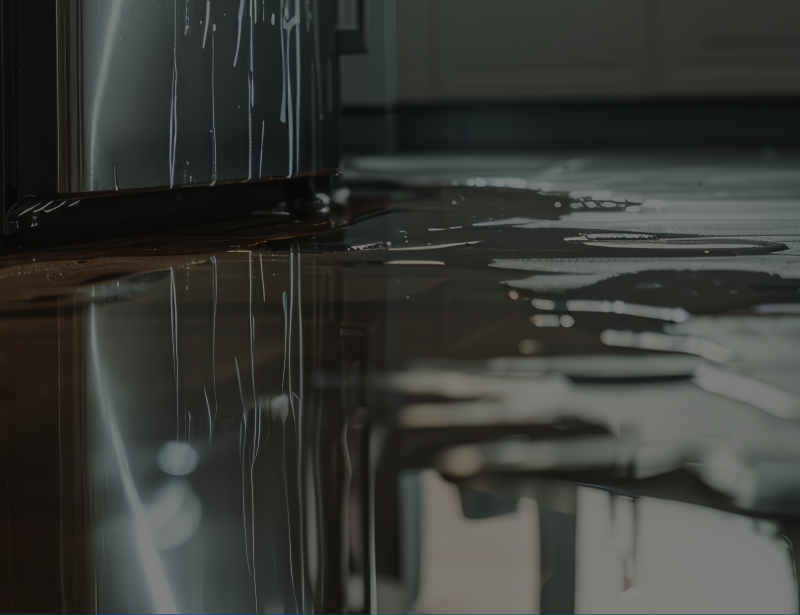
Identifying the signs of a water leak is crucial to prevent water damage and wasted resources. Some common signs include:
- Water Spots or Mineral Deposits: Look for unusual spots or mineral deposits on surfaces, which can indicate a leak.
- Warping or Discoloration: Check walls, floors, and ceilings for any warping or discoloration, as these can be signs of water damage.
- Unusual Sounds: Listen for dripping or running water sounds when no taps are on.
- Increased Water Bills: A sudden spike in your water bill can be a clear indicator of a hidden leak.
- Visible Mold or Mildew Growth: Mold or mildew in unexpected places often points to a moisture problem caused by a leak.
Regularly inspecting your home for these signs can help you detect water leaks early on and prevent further damage.
Common Causes of Water Leaks
Water leaks can be caused by a variety of factors, including:
- Worn-Out or Corroded Pipes: Over time, pipes can wear out or corrode, leading to leaks.
- Frozen Pipes: In colder climates, pipes can freeze and burst, causing significant water damage.
- Faulty Appliances: Dishwashers, washing machines, and other appliances can develop leaks due to wear and tear or faulty installation.
- Poorly Installed or Maintained Plumbing Systems: Improper installation or lack of maintenance can lead to leaks in your plumbing system.
- Leaking Water Heaters: Water heaters can develop leaks, especially if they are old or not regularly maintained.
- Dripping Faucets and Shower Heads: Even small drips can add up to significant water loss over time.
- Running Toilets: Toilets that run continuously can waste a lot of water and indicate a leak.
Understanding the common causes of water leaks can help you take preventative measures to avoid them.
Understanding the Scope of Water Damage in the Plumbing System
According to the Insurance Information Institute, approximately 1 in 60 insured homes in the U.S. file a claim for water or freezing damage each year, with an average insurance payout of $11,605. From 2017 through 2021, these claims averaged $12,514, showing an upward trend in costs. Water damage and freezing are the third-most frequently filed insurance claims for property damage, accounting for nearly 24% of all homeowners insurance claims in 2021.
Identifying signs and sources of a plumbing leak is crucial to prevent significant damage. Texas is consistently one of the top states for homeowners insurance claims, and water damage (excluding flood damage) is one of the most common causes. The state’s unique climate and foundation issues exacerbate the risks and costs associated with plumbing leaks. A significant number of homes have water heaters installed in the attic, primarily because many homes are built on slabs without basements. This trend is driven by the need to save space and facilitate quicker water distribution throughout the house. The hot temperatures in attics during the summer can strain the water heaters, leading to decreased efficiency, higher energy bills, and potentially shortening the lifespan of the unit. Additionally, safety concerns arise due to the increased likelihood of leaks or tank ruptures. This is where an annual inspection of your home’s plumbing can help prevent costly water leaks in the attic originating from water heaters.

Assessing Your Water Meter for Leaks
Your meter can be a valuable tool in detecting water leaks. Here’s how to assess your meter for leaks:
- Turn Off All Water-Using Appliances and Fixtures: Ensure that no water is being used in your home.
- Check the Water Meter: Note the current reading on your meter.
- Wait for a Few Hours: Avoid using any water during this period.
- Check the Meter Again: If the meter reading has changed, you likely have a leak.
Regularly checking your meter can help you detect water leaks early on and prevent wasted resources.
Leak Detection Methods
There are several detection methods you can use to detect water leaks in your home, including:
- Visual Inspections: Look for signs of moisture or water damage on walls, floors, and ceilings.
- Auditory Inspections: Listen for the sound of running water, even if you can’t see it.
- Water Meter Checks: Regularly check your meter for unusual readings.
- Leak Detection Devices: Use a water leak detector or a smart home device to alert you to leaks.
- Professional Inspections: Hire a professional plumber to inspect your plumbing system for leaks using specialized equipment.
Using a combination of these methods can help you detect water leaks early on and prevent further damage.
The Financial Impact of Water Damage
The financial toll of water damage is substantial. Nationally, non-weather-related water damage, primarily from plumbing leaks, accounts for a large percentage of insurance claims. On average, about 2.05% of homeowners file a water damage claim annually, with the typical claim costing around $10,000. Specific issues like plumbing supply line failures and water heater malfunctions can result in payouts of $5,092 and $4,300, respectively.
Aging infrastructure and increased home values further drive the cost of claims. In 2017 alone, insurers paid out a staggering $13 billion for water damage claims. This highlights the critical need for homeowners to adopt preventative measures.
Types of Water Damage from Leaking Pipes
Understanding the different types of water damage is crucial for determining potential costs and health impacts:
- Clean Water Damage: Typically from broken water lines or overflows, this type is less harmful but still costly to repair.
- Grey Water Damage: Caused by leaks from appliances like dishwashers, this type involves some contamination and can pose health risks.
- Black Water Damage: The most severe, often resulting from sewage backups or floodwater, requiring extensive cleaning and repairs.
Water Supply Line Leaks: A Hidden Threat
Water supply line leaks can be a hidden threat to your home and plumbing system. These leaks can occur between the meter and your home, making them difficult to detect. Some signs of a water supply line leak include:
- Unusual Water Usage Patterns: A sudden increase in water usage can indicate a leak.
- Water Spots or Mineral Deposits: Look for spots or deposits on surfaces near the water supply line.
- Visible Mold or Mildew Growth: Mold or mildew growth in unexpected areas can signal a leak.
- Increased Water Bills: Higher than usual water bills can be a sign of a hidden leak.
If you suspect a water supply line leak, it’s essential to contact a professional plumber to inspect and repair the leak.
Preventative Measures to Consider Using a Water Meter
Given the potentially devastating financial impact, proactive measures are essential. Here are some steps to mitigate risks:
- Regular Inspections: Schedule routine checks of your plumbing system to identify and fix leaks early.
- Install Water Leak Detection Systems: These systems can alert you to leaks before they become significant problems.
- Maintain Appliances: Regular maintenance of water heaters, dishwashers, and washing machines can prevent leaks.
- Consider Modern Plumbing Materials: If renovating, opt for modern, durable materials that resist corrosion.
- Check In-Ground Irrigation Systems: Leaks in an in-ground irrigation system can lead to significant water loss. Contact a professional plumber for repairs to prevent such issues.
The Importance of Prompt Action
Ignoring small leaks can result in significant damage over time. Leaks occur when seals are compromised or connections are faulty, which can lead to water wastage. Mold growth, structural damage, and electrical hazards are just a few potential consequences of untreated leaks. The costs can escalate quickly from a minor repair to extensive rehabilitation.
Furthermore, undetected leaks waste a valuable resource—water. With environmental concerns on the rise, conserving water is not just a cost-saving measure but an ecological responsibility.

Conclusion
Undetected plumbing leaks in the home can have severe financial, structural, and environmental impacts. The average cost of a water damage claim, particularly in Texas, can be substantial, driven by factors like aging infrastructure and extreme weather conditions.
Homeowners should prioritize regular plumbing inspections and consider installing water leak detection systems to prevent costly damages. By taking proactive steps, you can protect your home, your finances, and contribute to environmental conservation.
For more personalized advice on managing your home’s plumbing system, contact our plumbing experts at AAA Auger Plumbing Servcies today. Secure your home and peace of mind by booking a consultation now.
FAQs on Leak Detection for Homeowners
Q1: What are some common signs of a water leak in my home?
A1: Common signs include unusual spikes in your water bill, the sound of running water when no taps are on, damp or discolored walls and ceilings, mold or mildew growth, and reduced water pressure.
Q2: How can I test for a hidden water leak in my plumbing system?
A2: One simple method is to check your meter. Turn off all water appliances and check the meter reading. Wait an hour without using any water and check the meter again. If the reading has changed, you likely have a leak.
Q3: What should I do if I suspect a hidden water leak but can’t find it?
A3: If you can’t locate the source, consider contacting a professional plumber. They use specialized equipment like thermal imaging cameras and moisture meters to identify hidden leaks without causing damage.
Q4: Can I prevent water leaks from happening in the future?
A4: Regular maintenance and inspections are key. Check for signs of wear and tear on pipes and fixtures, keep gutters clean, and ensure your home has adequate insulation to prevent frozen pipes in winter.
Q5: Is it safe to ignore small leaks, or should I act immediately?
A5: It’s best to address any leaks promptly. Even small leaks can cause significant water damage, lead to mold growth, and result in higher water bills over time. Taking quick action can save you money and prevent more extensive repairs.