Why Is My Sewer Cleanout Overflowing in Austin? Common Causes and Next Steps
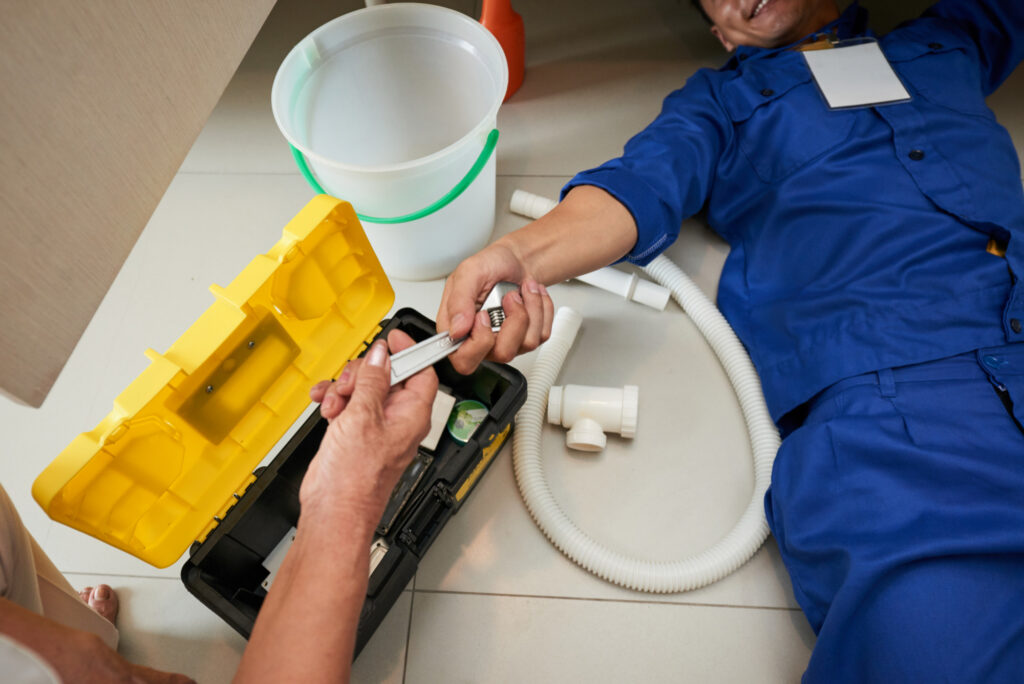
A sewer cleanout overflowing in Austin usually signals a blockage or damage in the main sewer line. Tree roots, grease buildup, wipes, collapsed pipes, and heavy rain can all prevent wastewater from flowing properly. Since sewage can create serious health and property risks, stop using water and keep people and pets away from the affected area. A professional plumber can use a sewer camera inspection, drain snake, or hydro jetting to identify and clear the problem. Regular inspections and proper drain care can also help prevent future sewer cleanout overflows.
What Is a Sewer Cleanout and Why Does Your Home Need One?
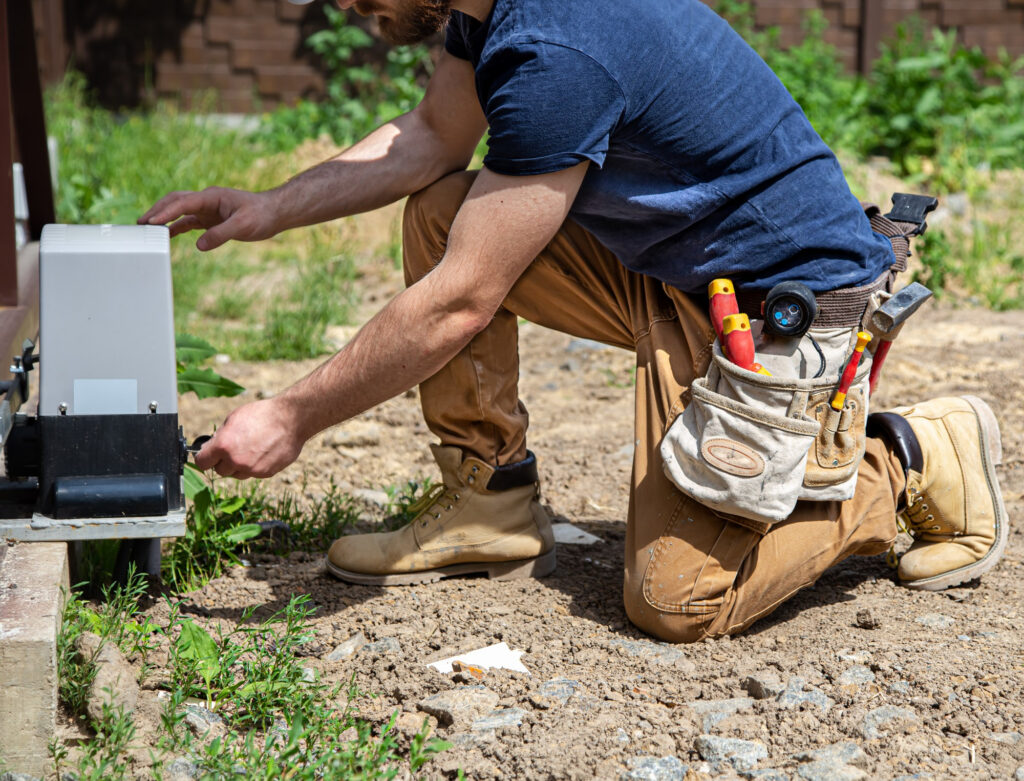
What is a sewer cleanout, and why does the home need one? A sewer cleanout is a capped access point linked to your main sewer line, allowing plumbers to clear blockages, inspect pipes, and perform hydro jetting without disturbing your home. This guide explains where sewer cleanouts are often located, how to recognize warning signs, and why regular maintenance matters. Find out what to do if your cleanout is blocked or damaged and when professional sewer line repair or inspection can help prevent major backups and plumbing problems today.
What Is Orangeburg Sewer Pipe and Should It Be Replaced?
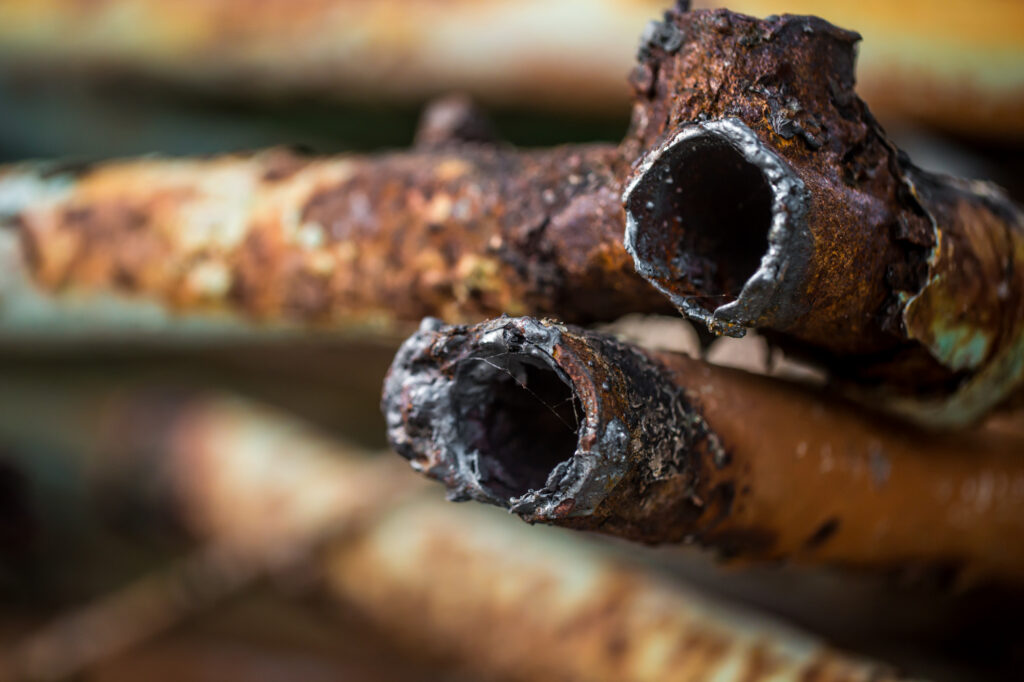
What is Orangeburg sewer pipe, and should it be replaced? Made from compressed wood pulp and tar, Orangeburg pipe was widely used in residential sewer systems from 1945 to 1972. Over time, moisture, soil pressure, tree roots, and aging can cause the pipe to soften, deform, and collapse. This guide explains the warning signs of failing Orangeburg sewer pipe, how a sewer camera inspection can confirm its condition, and why replacement is often recommended. Explore modern PVC and trenchless replacement options to protect your home’s drainage system and avoid costly sewer backups.
Why Does My Toilet Take So Long to Fill? Simple Solutions That May Help
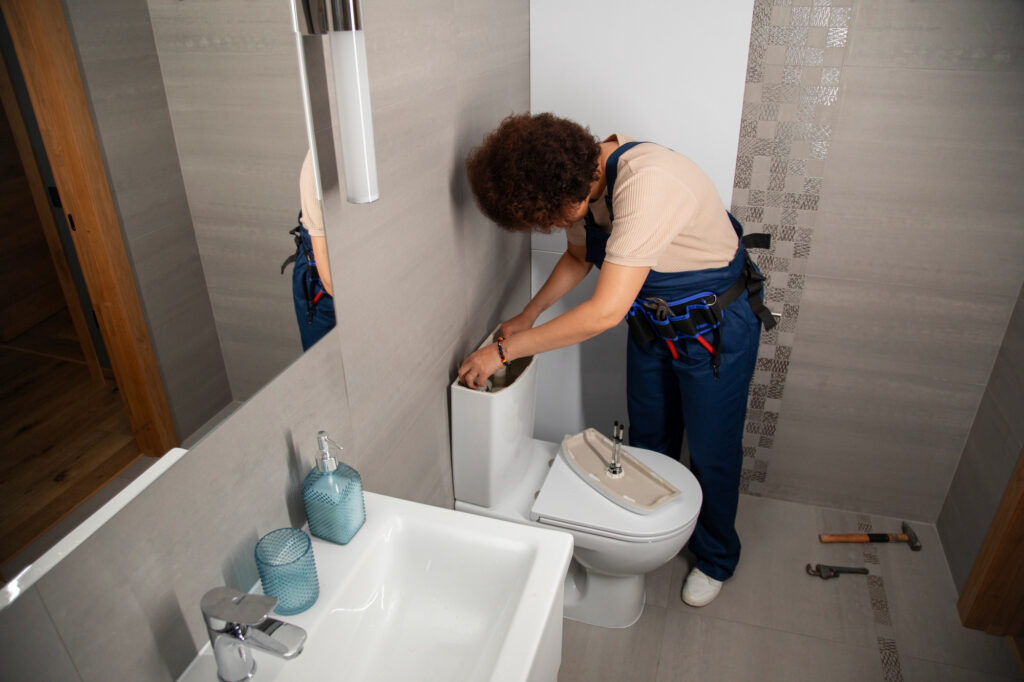
A toilet that takes too long to fill is often caused by a clogged fill valve, low water pressure, mineral buildup, or a partially closed shut-off valve. This guide explains the most common reasons for slow toilet refilling, simple troubleshooting steps you can try, and when professional repair is the best option. Addressing the issue early helps restore proper flushing performance, prevent unnecessary wear on toilet components, improve your plumbing system’s efficiency, and avoid more expensive repairs in the future.
Why Does My Toilet Gurgle After Flushing? How to Fix the Problem
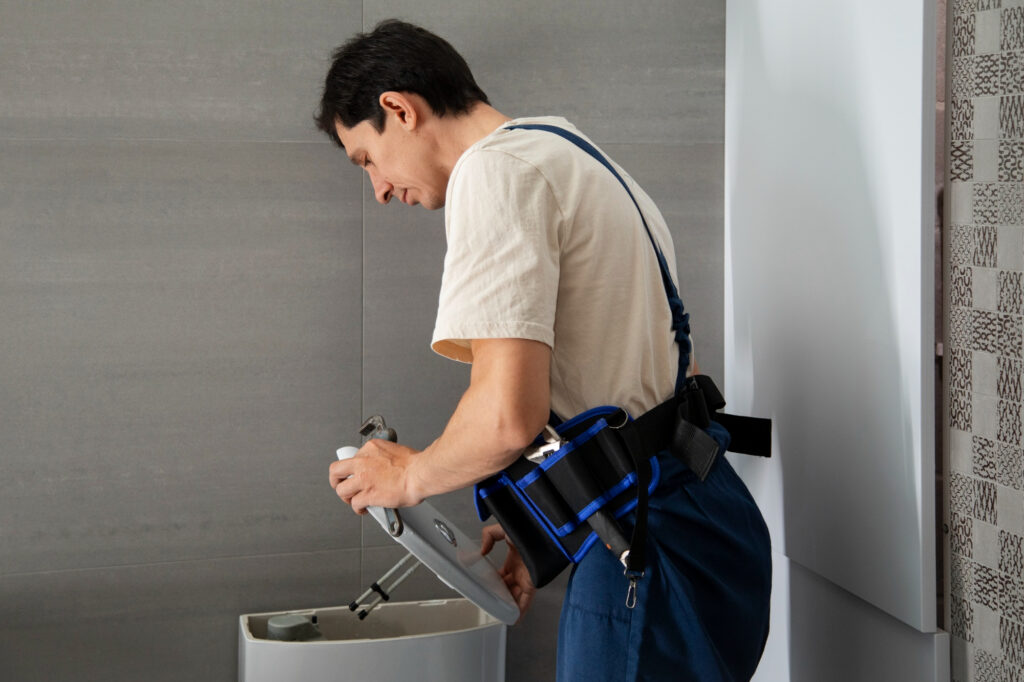
A toilet that gurgles after flushing is often a sign of trapped air caused by a blocked vent, partial drain clog, sewer line issue, tree roots, or septic system problems. This guide explains why the bubbling sound happens, what it may indicate, and the steps you can take to fix it. From simple plunging to professional camera inspections and sewer line repairs, understanding the cause early helps prevent plumbing backups, costly damage, unpleasant sewer odors, and more extensive repairs in the future.
Why Does My House Smell Like Sewage After It Rains?

A sewage smell after heavy rain often signals a problem within your home’s plumbing or sewer system. Dry P-traps, clogged sewer lines, blocked plumbing vents, cracked pipes, or overloaded municipal sewers can all allow sewer gas to enter your home. This guide explains the most common causes, practical steps to identify the source, simple prevention tips, and signs that indicate you need a professional sewer inspection to stop recurring odors, protect your plumbing system, and maintain a healthier indoor environment year-round.
Why Does My Toilet Keep Running Even After I Flush?

A toilet that keeps running after you flush is often caused by a worn flapper, faulty fill valve, improper float height, or a loose lift chain inside the tank. Ignoring the problem can waste hundreds of gallons of water and increase your monthly utility bill. This guide explains the most common causes of a running toilet, easy troubleshooting steps you can try at home, practical maintenance tips to prevent future problems, and signs that indicate it’s time to contact a professional plumber for lasting repairs.
The Most Common Sewer Problems Homeowners Face
Sewer problems often develop out of sight until they cause major disruptions and expensive repairs. From sewer line blockages and tree root intrusion to pipe corrosion and underground leaks, several issues can threaten your home’s plumbing system. This guide covers the most common sewer problems homeowners face, the warning signs to watch for, and practical maintenance tips that help prevent damage. Understanding how sewer systems fail and when to call a professional can reduce repair costs, protect your property, and keep wastewater flowing properly year-round.
Sewer Backups Explained: Warning Signs, Risks, and Prevention

A sewer backup rarely happens without warning. Common signs include slow drains throughout the home, gurgling sounds from pipes, unpleasant sewer odors, and water backing up into sinks, tubs, or floor drains. These issues often point to a developing sewer line blockage caused by tree roots, grease buildup, pipe corrosion, or debris. Recognizing these early warning signs allows homeowners to address problems before they lead to costly water damage and repairs. Regular sewer line inspections and maintenance can help prevent major backups and keep plumbing systems operating efficiently year-round.