
Why Do My Drains Keep Smelling Bad? Causes, Solutions, and Prevention Tips
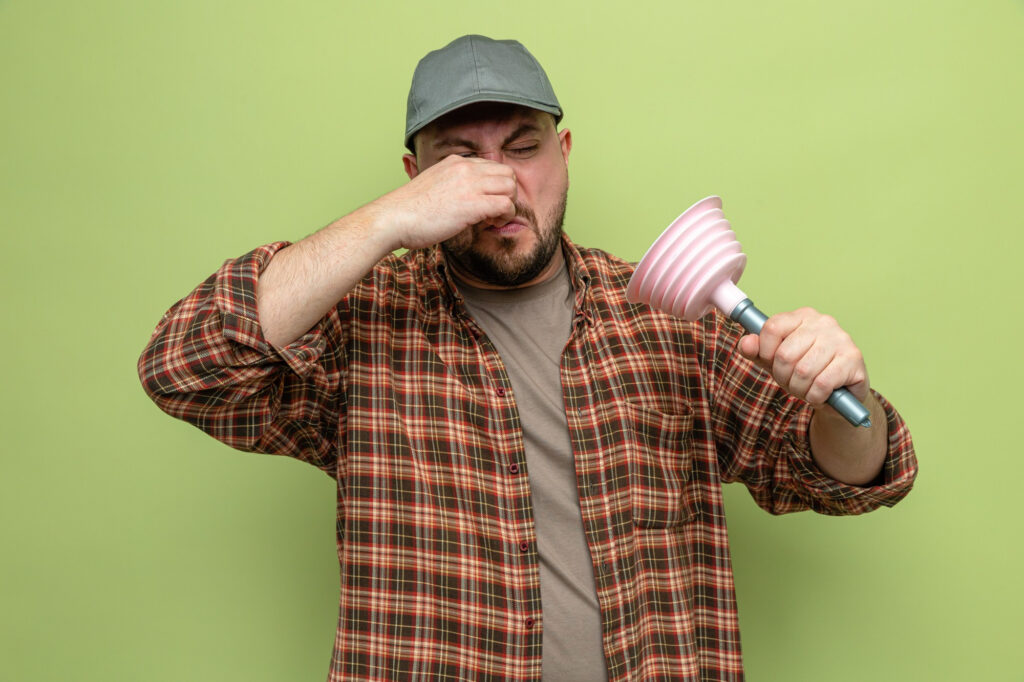
Bad-smelling drains are a common plumbing issue caused by grease buildup, food debris, bacteria, dry P-traps, or sewer gas problems. While simple cleaning methods can often eliminate unpleasant odors, recurring smells may signal deeper plumbing or sewer line issues. Understanding the causes of drain odors and taking preventive steps can help keep your plumbing system functioning properly. Regular maintenance, proper drain care, and prompt attention to warning signs can prevent costly repairs and ensure a cleaner, healthier home environment throughout the year.
How to Improve Water Heater Efficiency and Lower Utility Bills

Rising energy bills often start with an inefficient water heater. This guide explains practical steps homeowners can take to improve water heater efficiency and reduce monthly utility costs. Learn how to adjust thermostat settings, flush sediment from the tank, add insulation, repair leaks, and perform annual maintenance checks. You’ll also discover when it makes more sense to replace an aging unit with a modern energy-efficient model. Following these proven strategies can help extend equipment life, improve performance, and lower hot water expenses throughout the year.
What To Do If You Smell Gas in Your Home: A Complete Safety Guide

A gas smell in your home should never be ignored. Natural gas leaks can create serious fire, explosion, and health hazards if not addressed immediately. This guide explains how to recognize common gas leak warning signs, including sulfur odors, hissing sounds, and physical symptoms. Learn the essential safety steps to take, when to evacuate, who to contact, and how licensed professionals detect and repair gas leaks. Understanding these emergency procedures can help protect your family, property, and home from the dangers of a residential natural gas leak.
Hydro Jetting vs Drain Snaking: Which One Does Your Drain Actually Need?

Hydro jetting and drain snaking solve different plumbing problems, but choosing the right method can save time and money. This guide compares how each drain cleaning technique works, the types of clogs they remove, and their long-term effectiveness. Learn when snaking is ideal for simple blockages and when hydro jetting is the better choice for grease buildup, mineral scale, and tree root intrusion. Discover the role of sewer camera inspections and why preventive drain maintenance helps avoid costly plumbing emergencies.
Common Commercial Plumbing Problems (And How to Prevent Them)

Commercial plumbing issues can disrupt daily operations, increase repair costs, and create safety concerns for businesses. This guide explains the most common problems, including leaking pipes, clogged drains, sewer backups, low water pressure, water heater failures, grease trap blockages, and burst pipes. Learn the warning signs to watch for, practical maintenance strategies to prevent expensive breakdowns, and when to call a professional plumber. Proactive inspections and routine service help protect your property, extend system life, and keep your business running smoothly.
Water Heater Replacement Cost: A Complete Plumbing Guide for Homeowners
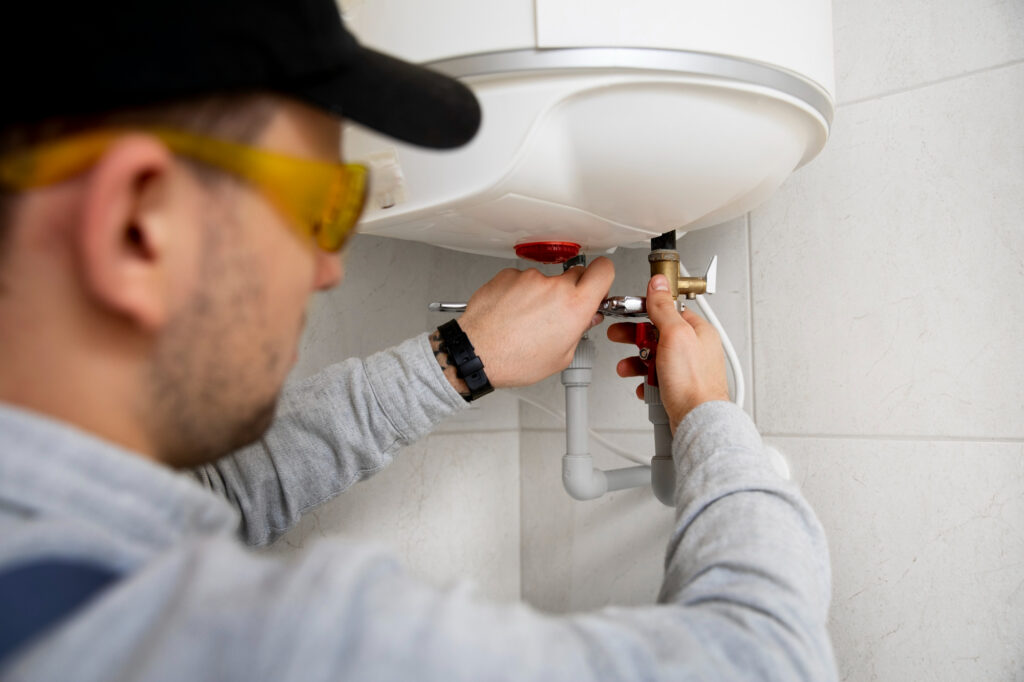
Water heater replacement costs depend on the unit type, tank size, installation requirements, and plumbing upgrades. This guide explains average costs for gas, electric, tank, and tankless water heaters, along with permit fees, labor charges, and venting considerations. Learn the warning signs that indicate it is time for a replacement, what plumbers inspect during installation, and when repair may be more cost-effective. Understanding these factors helps homeowners budget accurately and choose the right water heater for long-term performance and efficiency.
HVAC Venting Systems: Gas Water Heater Combustion Exhaust and Heat Pump Requirements
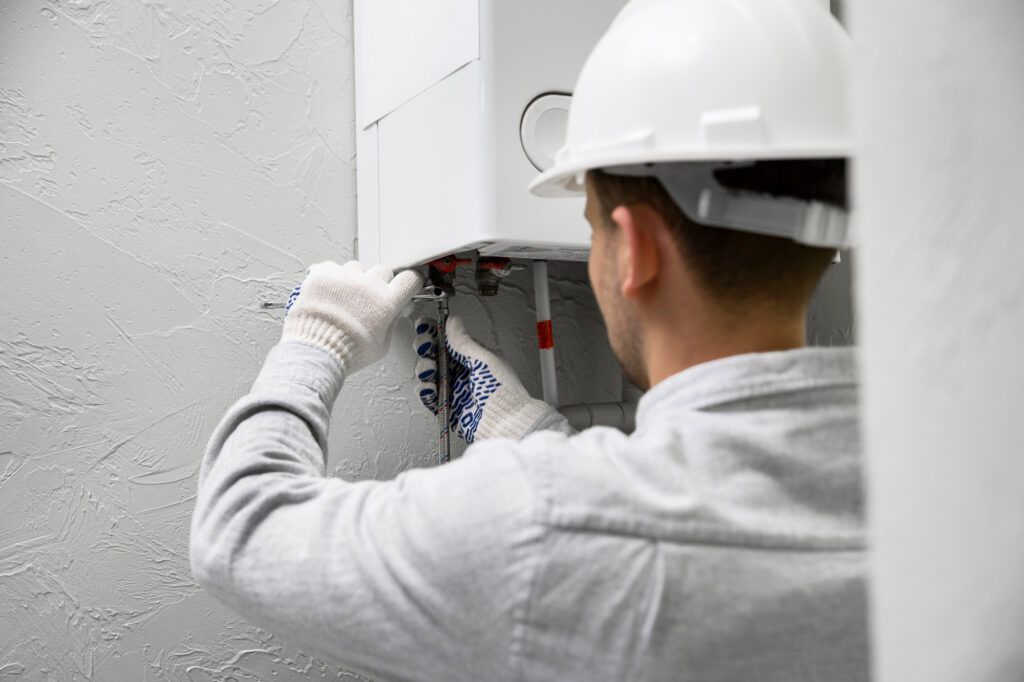
HVAC venting systems play a critical role in safely removing combustion exhaust from gas water heaters while maintaining indoor air quality. This guide explains the differences between gas and heat pump water heater venting requirements, including natural draft, power vent, and direct vent systems. Learn how backdrafting occurs, why carbon monoxide risks demand proper vent design, and what code requirements apply. Discover common venting failures, warning signs of exhaust problems, and when to call a licensed HVAC technician for inspection or repairs.
Gas and Electric Water Heater Guide: Tank Heater vs Tankless Heater
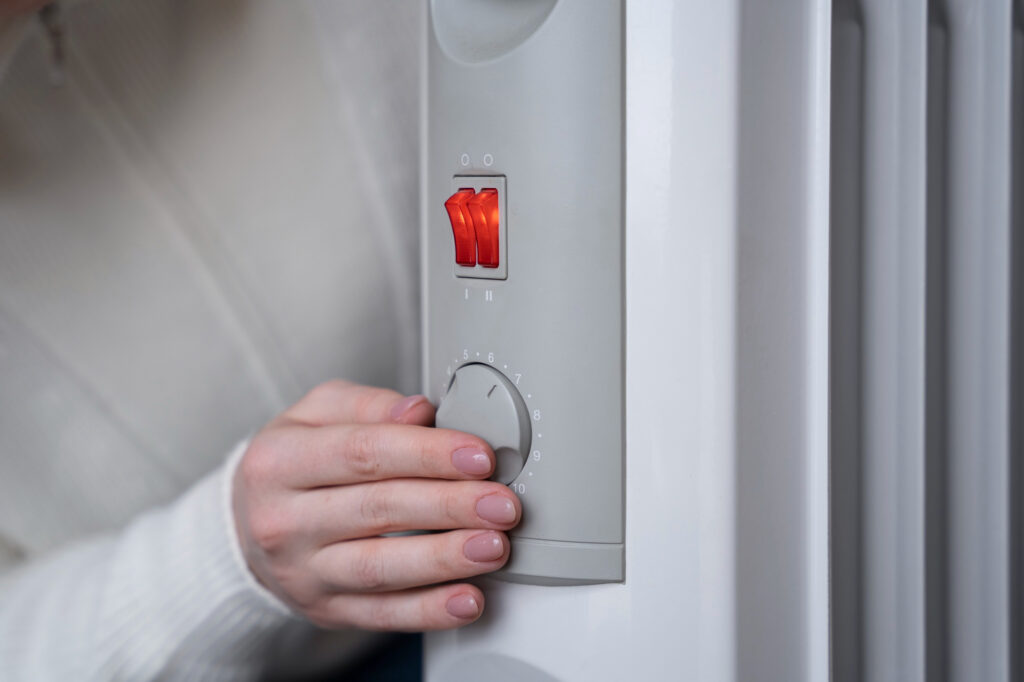
Choosing between a gas or electric water heater can significantly impact your home’s energy costs, hot water supply, and long-term maintenance needs. This guide compares traditional storage tank water heaters and modern tankless systems, covering efficiency, installation costs, lifespan, common problems, and sizing requirements. Learn how natural gas, propane, and electric models perform, which option delivers the best energy savings, and what factors homeowners should consider before investing in a new water heater or replacing an existing system
No Hot Water at Home? Common Plumbing Causes and Fixes
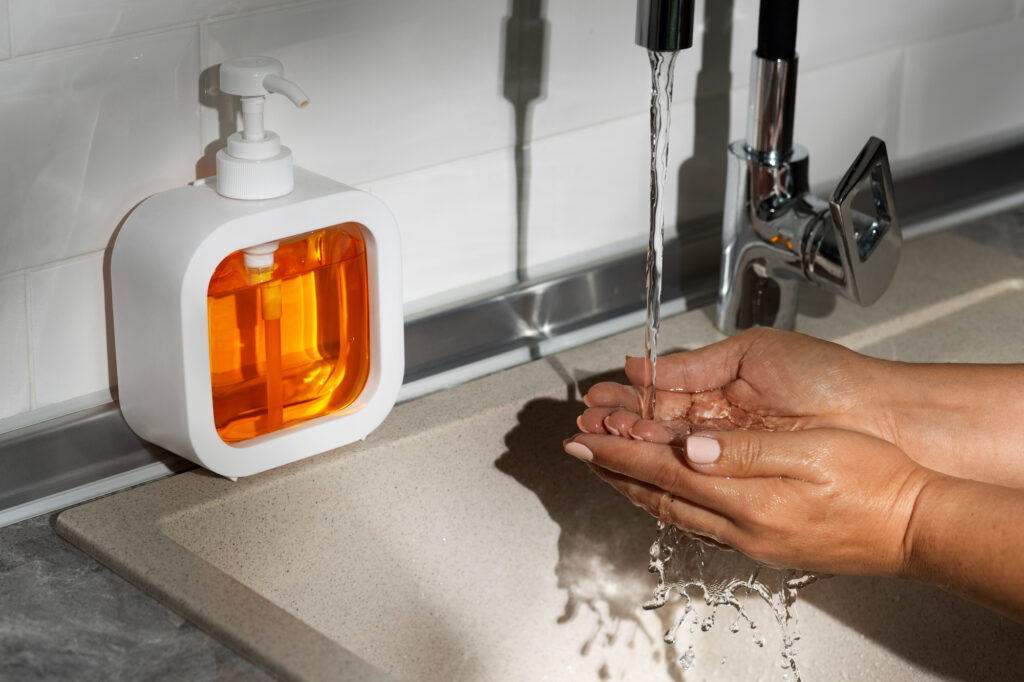
No hot water at home can disrupt your daily routine and often signals a plumbing system issue. Common causes include a faulty thermostat, broken heating components, sediment buildup, gas valve problems, or electrical faults. Understanding how your hot water system works can help you identify warning signs early and avoid costly repairs. This guide explains the most common plumbing causes of hot water failure, practical troubleshooting steps, and when to call a licensed plumber to restore reliable hot water throughout your home.
How Often Do Drains Need Cleaning? Signs, Schedules & Tips
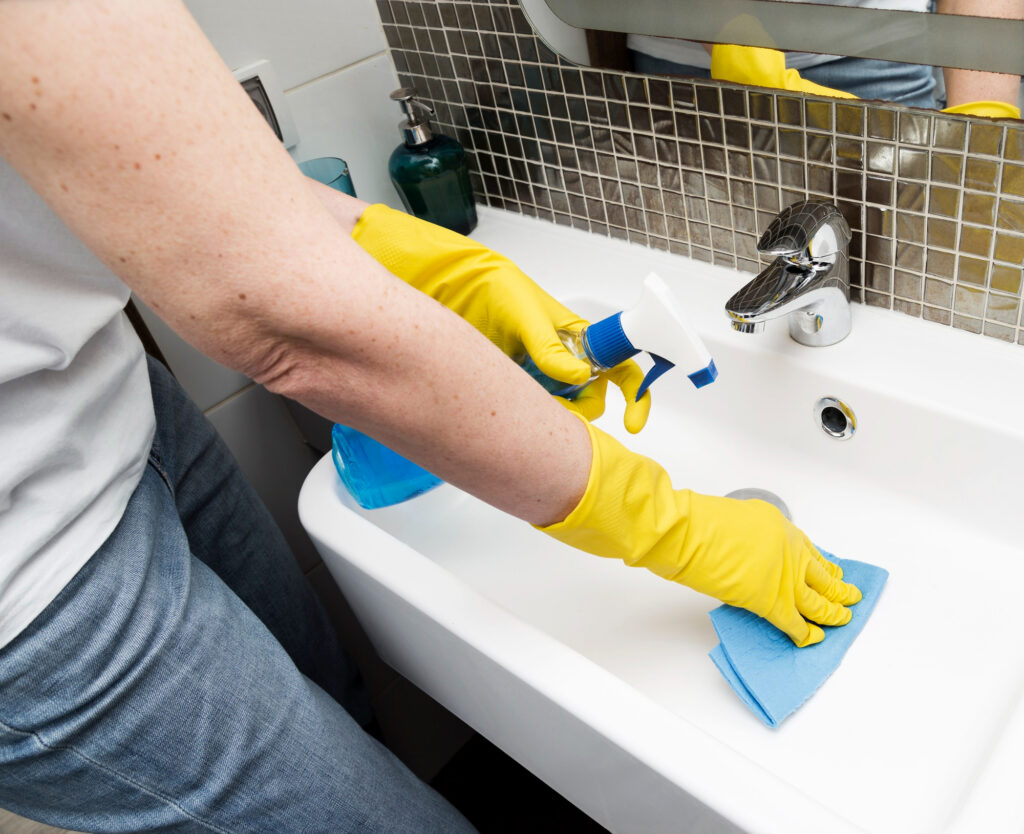
Every time you use a sink, shower, or toilet, something enters your drain pipes. Soap scum, food particles, and hard water minerals stick to the pipe walls. In kitchens, grease coats and hardens inside pipes. In bathrooms, hair tangles and catches debris. Grease and hair are generally the cause of drain clogs in most residential plumbing. As the buildup grows, the wastewater flow slows. You may notice gurgling drains, standing water, or sewer odors near floor drains. These are signs your home plumbing needs attention. Do not ignore them.