What Are the Most Common Plumbing Issues in Restaurants?
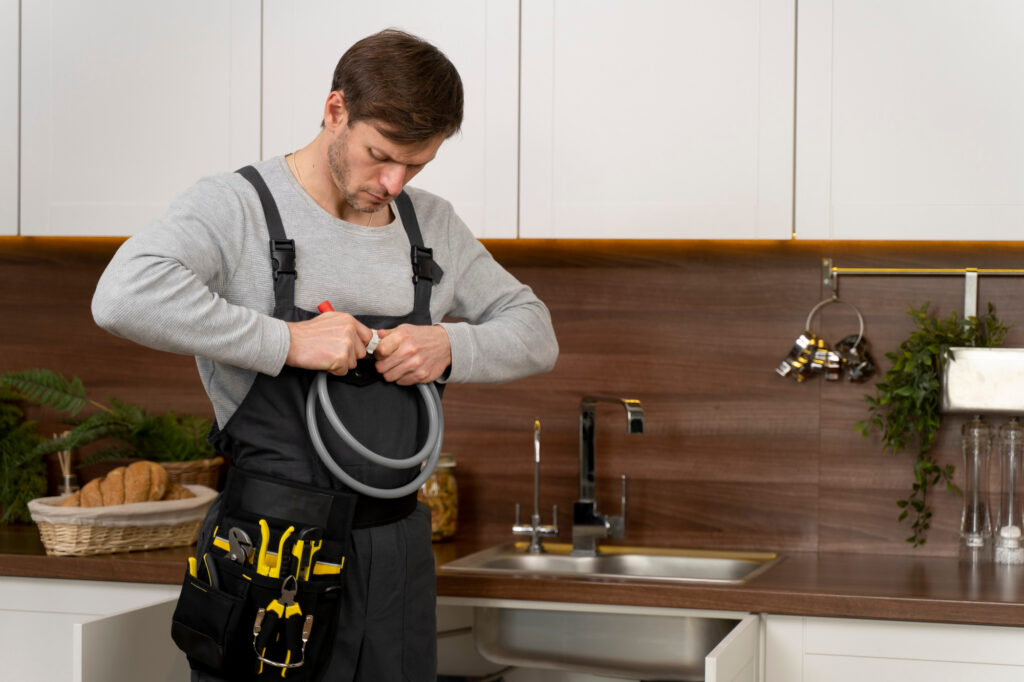
Restaurant plumbing issues can quickly disrupt kitchen operations, create health code violations, and lead to expensive repairs. Common problems include clogged drains, grease buildup, water leaks, sewer backups, and low water pressure. Because commercial kitchens handle large volumes of water, food waste, and grease daily, regular maintenance is essential. Routine inspections, grease trap cleaning, drain maintenance, and prompt leak repairs help prevent unexpected breakdowns. Understanding the warning signs of plumbing trouble allows restaurant owners to protect their business, reduce downtime, and keep operations running efficiently and safely every day.
Signs You Need Professional Drain Cleaning Instead of DIY Fixes
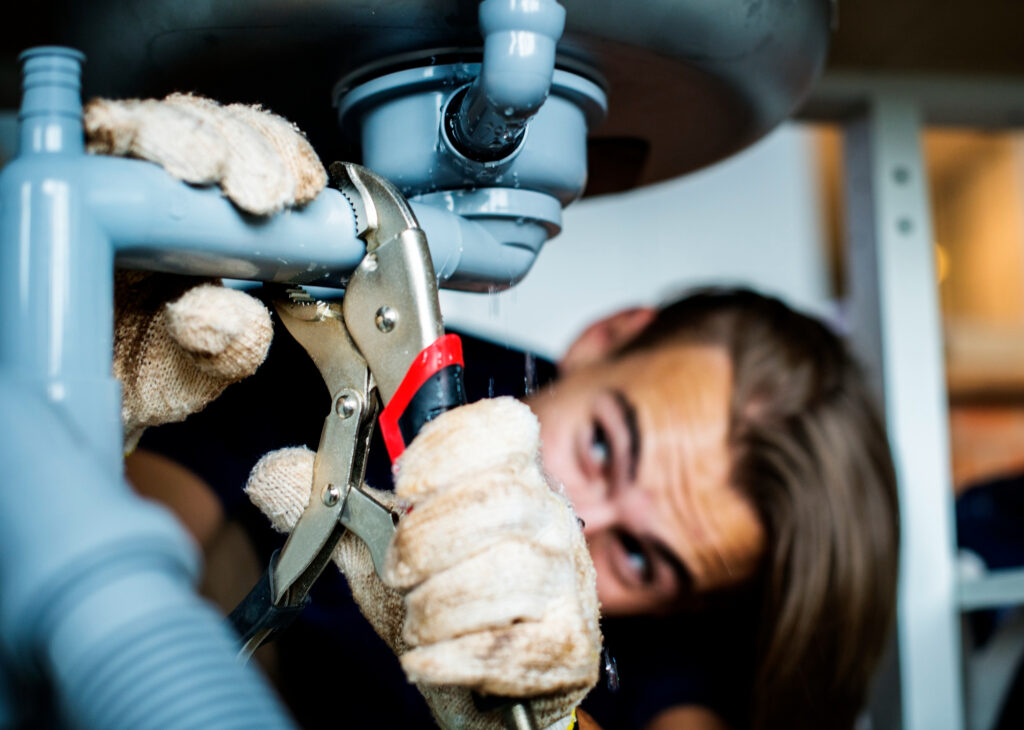
A clogged drain is not always a simple fix. While plungers and chemical cleaners may provide temporary relief, recurring clogs, slow drains, foul odors, and water backups often indicate a deeper problem within your plumbing system. This guide explains the key signs that professional drain cleaning is needed, common causes of stubborn blockages, and how advanced solutions like hydro jetting and camera inspections resolve issues at the source. Taking action early helps prevent sewer backups, costly repairs, and long-term damage to your home’s drainage system.
The Most Common Sewer Problems Homeowners Face
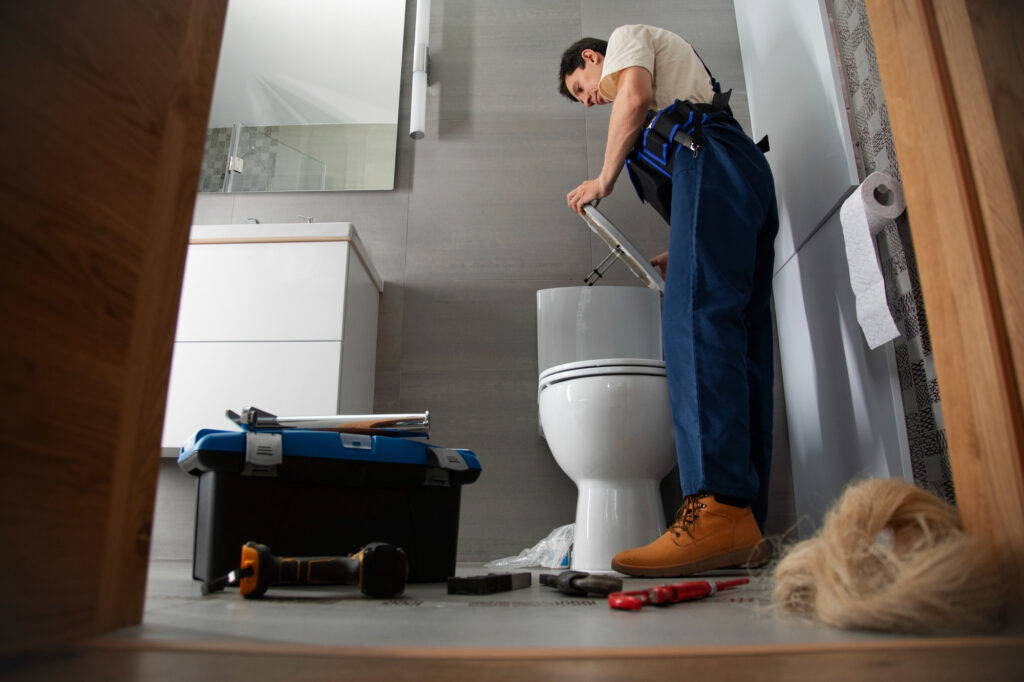
Sewer problems often develop out of sight until they cause major disruptions and expensive repairs. From sewer line blockages and tree root intrusion to pipe corrosion and underground leaks, several issues can threaten your home’s plumbing system. This guide covers the most common sewer problems homeowners face, the warning signs to watch for, and practical maintenance tips that help prevent damage. Understanding how sewer systems fail and when to call a professional can reduce repair costs, protect your property, and keep wastewater flowing properly year-round.
Sewer Backups Explained: Warning Signs, Risks, and Prevention

A sewer backup rarely happens without warning. Common signs include slow drains throughout the home, gurgling sounds from pipes, unpleasant sewer odors, and water backing up into sinks, tubs, or floor drains. These issues often point to a developing sewer line blockage caused by tree roots, grease buildup, pipe corrosion, or debris. Recognizing these early warning signs allows homeowners to address problems before they lead to costly water damage and repairs. Regular sewer line inspections and maintenance can help prevent major backups and keep plumbing systems operating efficiently year-round.
Can a Small Water Leak Cause Major Property Damage?
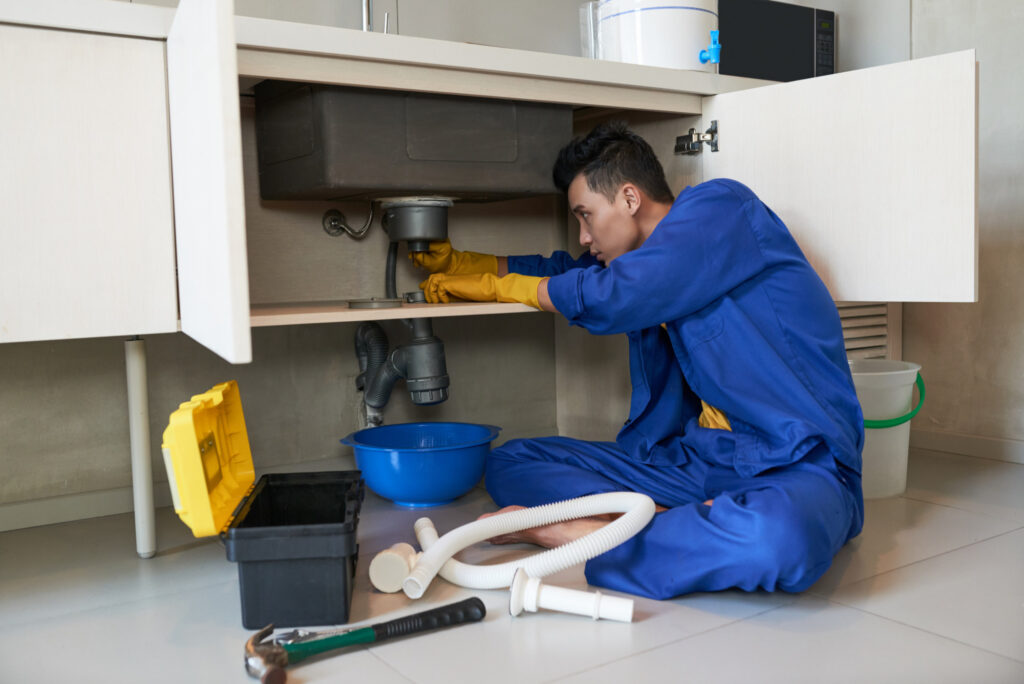
A small water leak may seem insignificant, but hidden moisture can cause extensive damage over time. Water can weaken drywall, rot wood, damage flooring, encourage mold growth, and even compromise your home’s foundation. This guide explains how minor leaks become costly repairs, the warning signs homeowners should watch for, and the long-term risks of delaying repairs. Learn why early leak detection, routine plumbing inspections, and prompt action are essential for protecting your property, reducing repair costs, and preventing serious water damage throughout your home.
What Is a Foundation Leak? Signs, Causes, and Detection Methods
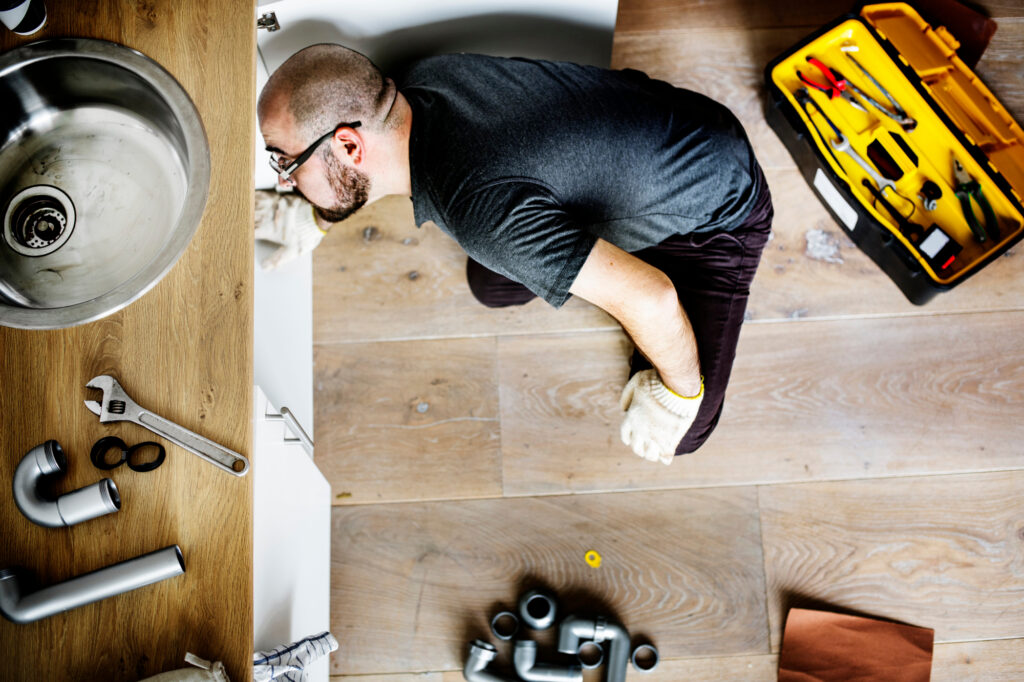
A foundation leak occurs when water escapes from plumbing beneath your home’s concrete slab, often remaining hidden until damage appears. Common warning signs include rising water bills, warm or damp floor spots, cracks in walls, and reduced water pressure. Causes range from pipe corrosion and shifting soil to tree root intrusion and poor installation. If ignored, foundation leaks can lead to structural damage, mold growth, and costly repairs. Professional leak detection methods help locate hidden leaks early and protect your home’s foundation, value, and indoor air quality.
Why Do My Drains Keep Smelling Bad? Causes, Solutions, and Prevention Tips
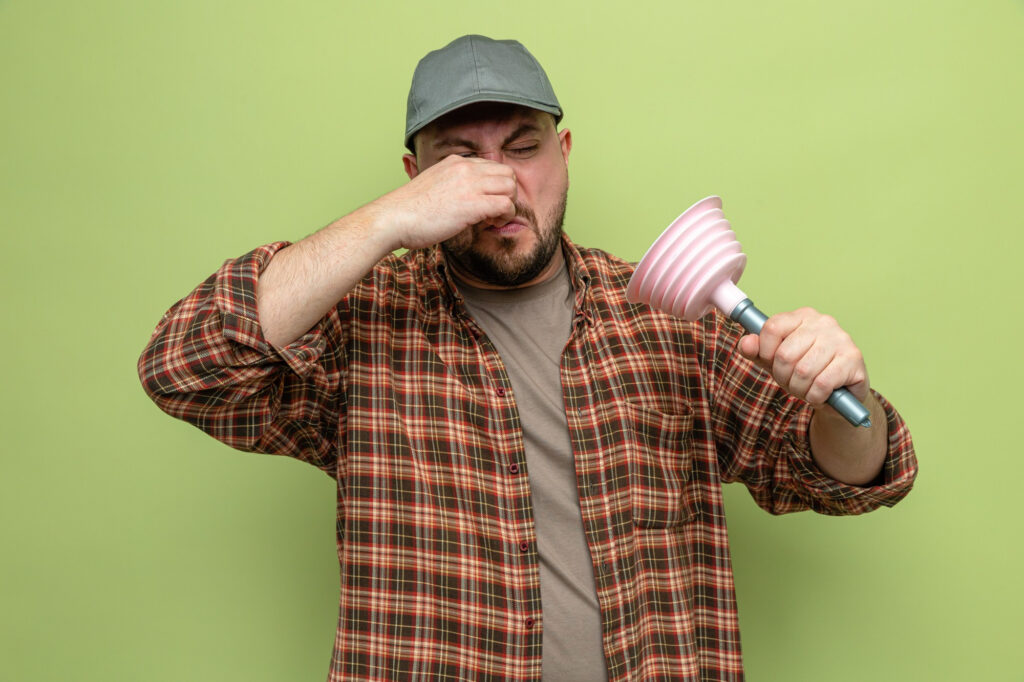
Bad-smelling drains are a common plumbing issue caused by grease buildup, food debris, bacteria, dry P-traps, or sewer gas problems. While simple cleaning methods can often eliminate unpleasant odors, recurring smells may signal deeper plumbing or sewer line issues. Understanding the causes of drain odors and taking preventive steps can help keep your plumbing system functioning properly. Regular maintenance, proper drain care, and prompt attention to warning signs can prevent costly repairs and ensure a cleaner, healthier home environment throughout the year.
How to Improve Water Heater Efficiency and Lower Utility Bills

Rising energy bills often start with an inefficient water heater. This guide explains practical steps homeowners can take to improve water heater efficiency and reduce monthly utility costs. Learn how to adjust thermostat settings, flush sediment from the tank, add insulation, repair leaks, and perform annual maintenance checks. You’ll also discover when it makes more sense to replace an aging unit with a modern energy-efficient model. Following these proven strategies can help extend equipment life, improve performance, and lower hot water expenses throughout the year.
What To Do If You Smell Gas in Your Home: A Complete Safety Guide

A gas smell in your home should never be ignored. Natural gas leaks can create serious fire, explosion, and health hazards if not addressed immediately. This guide explains how to recognize common gas leak warning signs, including sulfur odors, hissing sounds, and physical symptoms. Learn the essential safety steps to take, when to evacuate, who to contact, and how licensed professionals detect and repair gas leaks. Understanding these emergency procedures can help protect your family, property, and home from the dangers of a residential natural gas leak.
Hydro Jetting vs Drain Snaking: Which One Does Your Drain Actually Need?

Hydro jetting and drain snaking solve different plumbing problems, but choosing the right method can save time and money. This guide compares how each drain cleaning technique works, the types of clogs they remove, and their long-term effectiveness. Learn when snaking is ideal for simple blockages and when hydro jetting is the better choice for grease buildup, mineral scale, and tree root intrusion. Discover the role of sewer camera inspections and why preventive drain maintenance helps avoid costly plumbing emergencies.