Common Commercial Plumbing Problems (And How to Prevent Them)

Commercial plumbing issues can disrupt daily operations, increase repair costs, and create safety concerns for businesses. This guide explains the most common problems, including leaking pipes, clogged drains, sewer backups, low water pressure, water heater failures, grease trap blockages, and burst pipes. Learn the warning signs to watch for, practical maintenance strategies to prevent expensive breakdowns, and when to call a professional plumber. Proactive inspections and routine service help protect your property, extend system life, and keep your business running smoothly.
Water Heater Replacement Cost: A Complete Plumbing Guide for Homeowners
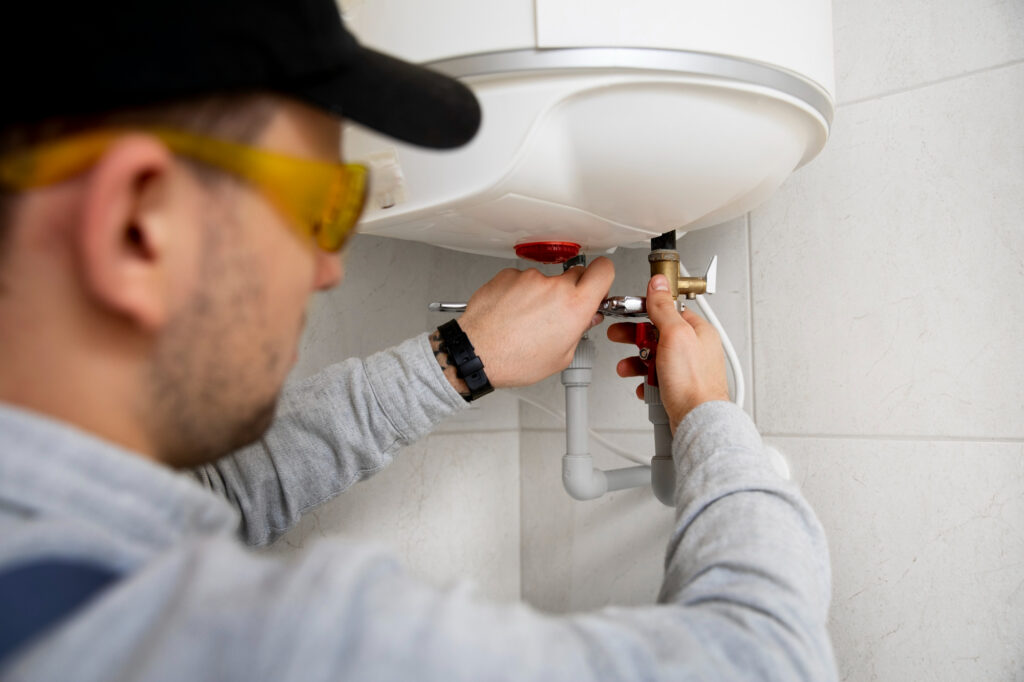
Water heater replacement costs depend on the unit type, tank size, installation requirements, and plumbing upgrades. This guide explains average costs for gas, electric, tank, and tankless water heaters, along with permit fees, labor charges, and venting considerations. Learn the warning signs that indicate it is time for a replacement, what plumbers inspect during installation, and when repair may be more cost-effective. Understanding these factors helps homeowners budget accurately and choose the right water heater for long-term performance and efficiency.
HVAC Venting Systems: Gas Water Heater Combustion Exhaust and Heat Pump Requirements
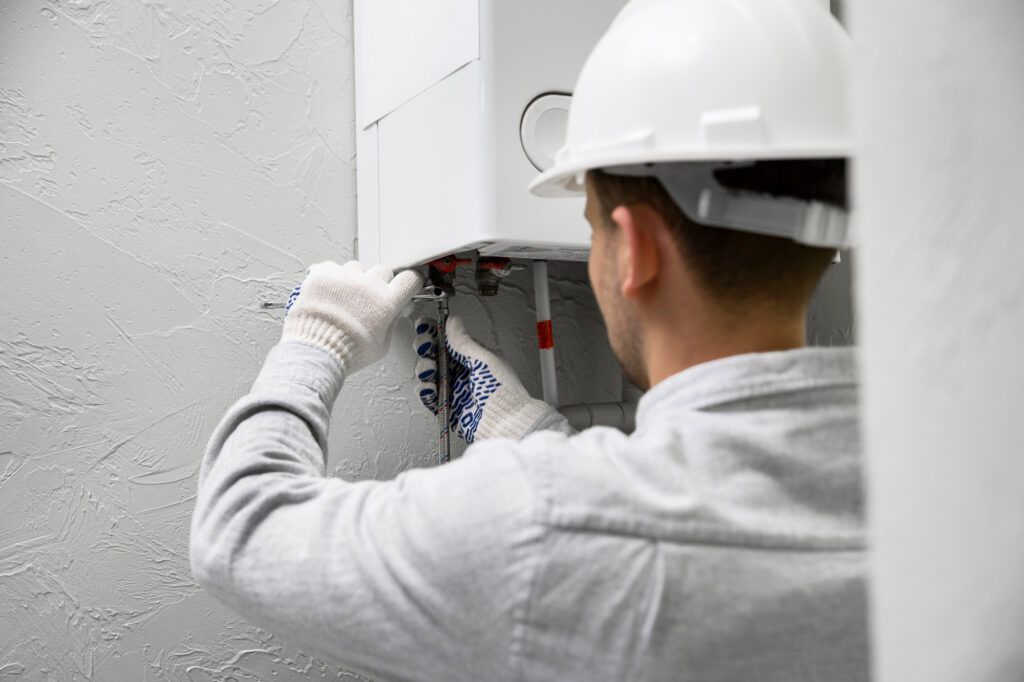
HVAC venting systems play a critical role in safely removing combustion exhaust from gas water heaters while maintaining indoor air quality. This guide explains the differences between gas and heat pump water heater venting requirements, including natural draft, power vent, and direct vent systems. Learn how backdrafting occurs, why carbon monoxide risks demand proper vent design, and what code requirements apply. Discover common venting failures, warning signs of exhaust problems, and when to call a licensed HVAC technician for inspection or repairs.
No Hot Water at Home? Common Plumbing Causes and Fixes
No hot water at home can disrupt your daily routine and often signals a plumbing system issue. Common causes include a faulty thermostat, broken heating components, sediment buildup, gas valve problems, or electrical faults. Understanding how your hot water system works can help you identify warning signs early and avoid costly repairs. This guide explains the most common plumbing causes of hot water failure, practical troubleshooting steps, and when to call a licensed plumber to restore reliable hot water throughout your home.
How Often Do Drains Need Cleaning? Signs, Schedules & Tips
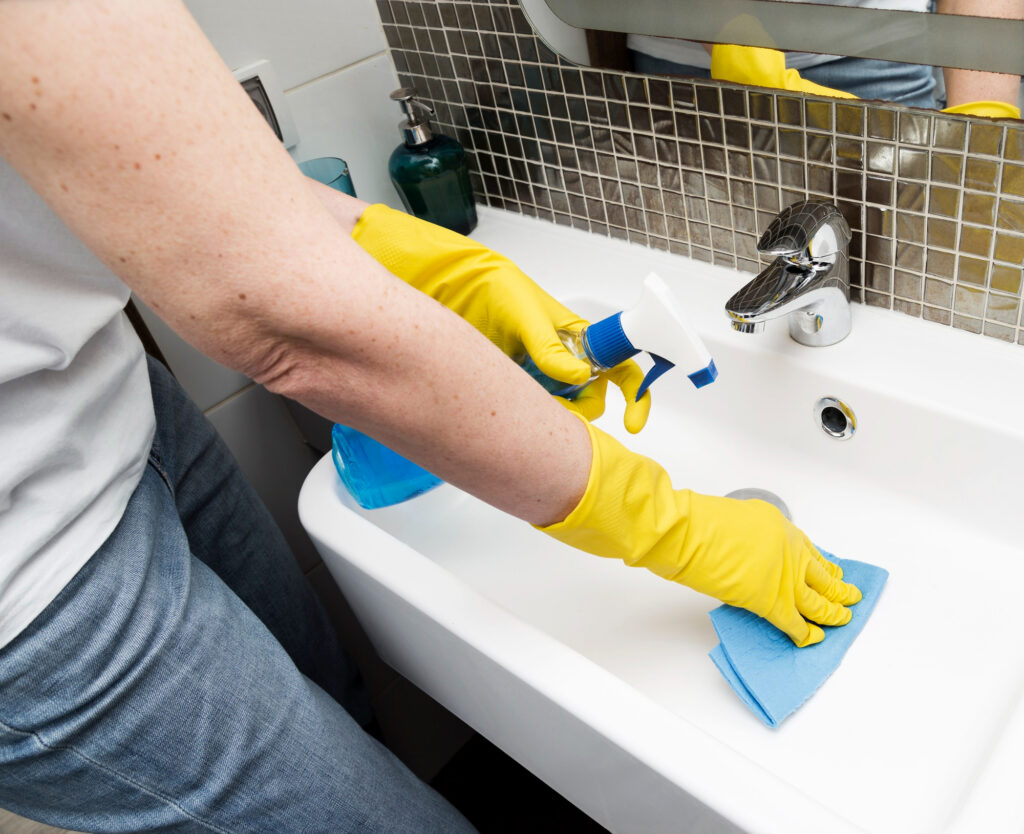
Every time you use a sink, shower, or toilet, something enters your drain pipes. Soap scum, food particles, and hard water minerals stick to the pipe walls. In kitchens, grease coats and hardens inside pipes. In bathrooms, hair tangles and catches debris. Grease and hair are generally the cause of drain clogs in most residential plumbing. As the buildup grows, the wastewater flow slows. You may notice gurgling drains, standing water, or sewer odors near floor drains. These are signs your home plumbing needs attention. Do not ignore them.
Why Your Drains Keep Clogging and How to Fix the Problem
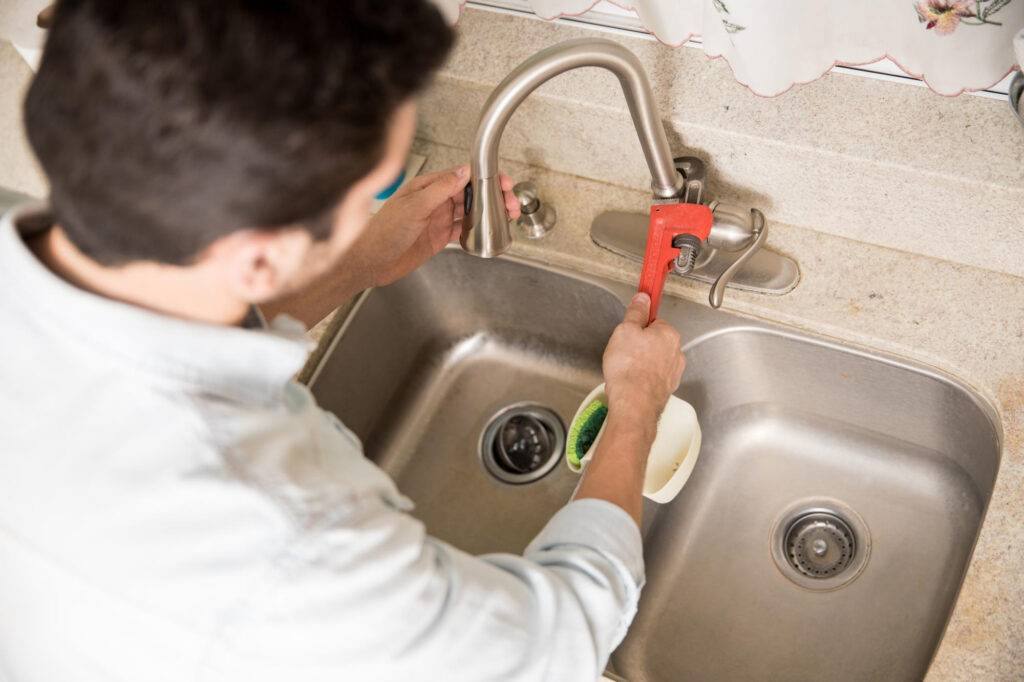
Key Takeaways Introduction: Why Drains Become Clogged A slow drain is one of the most common plumbing problems homeowners face. The causes of clogged drains are usually simple. Grease, hair, soap, and foreign objects collect inside drain pipes and narrow the opening. Water slows, then stops. Every drain in your home connects to a main […]
HOW TO DEAL WITH A PLUMBING EMERGENCY

There are some problems that will need your immediate, full attention. The problem is, what happens if you don’t know what to do in such an emergency? A plumbing emergency is one of those things that can catch you completely off guard, and your immediate reaction may be to stand there like a deer in headlights, not knowing what to do. Whether it’s a complete drain clog and zero water is going down the drain, a pipe has burst and is creating a lagoon in your home, or there’s no hot water to be found anywhere in the home and signs are pointing to a broken water heater, it’s important to remember a few things.
IS AN UNNOTICED PLUMBING LEAK DAMAGING YOUR HOME RIGHT NOW?
Is something sinister growing in your home? It’s not the blob or any other kind of monster. Well, it could be a monster plumbing leak that you’re not aware of- yet. But you will be. Some plumbing leaks take longer to show themselves, but once the usual signs and symptoms start appearing, you’ll know pretty quickly that a problem exists. The trick is to catch the issue as soon as possible so that you can avoid some of the nastier secondary consequences and further damages to your property.
HOW TO DEAL WITH MAJOR PLUMBING ISSUES
When it rains, it pours. Just when you thought you had finished putting out the last fire or solving the latest stress-inducing annoyance, something else pops up to ruin your mood. This time, it seems to be a major plumbing problem. If you’ve never had to deal with a big plumbing issue or any other plumbing problem before, then you may immediately begin to catastrophize. It’s best to simply stay calm when you know a problem exists. Don’t think about worst-case scenarios, but also don’t ignore the problem.
The Best Slab Leak Repair, Grand Prairie, TX
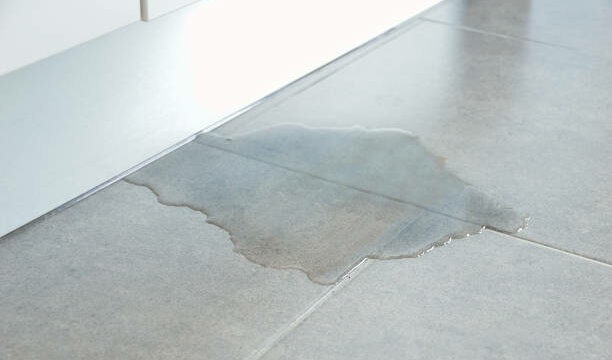
Owning a home is often like riding a rollercoaster, filled with exhilarating highs and stomach-turning drops. One of the most alarming surprises a homeowner can face is a slab leak—an underground leak that can quietly wreak havoc like a thief in the night. Common plumbing issues that create leaks, such as broken pipes, can also lead to significant damage if not addressed promptly. If you’re in Grand Prairie, TX, understanding the ins and outs of slab leak detection and repair services can be your best defense against this sneaky foe.