
Clogs Keep Coming Back?

You’re having a mighty tough battle with your drain line. It’s like playing whack a mole. Every time you think you have the clog beaten it just comes back. There’s something or perhaps some things that are stuck deep down in the line and you can’t figure out how to solve the problem. It’s time to call in the Dallas drain cleaning experts from AAA AUGER Plumbing Services.
Need a Helping Hand with Your Dallas Water Heater?
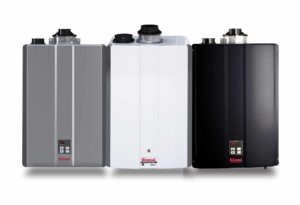
Starting off your day with a nice warm shower feels great. But that nice feeling can turn into sheer terror if, instead of warmness coming out of the shower head, there’s only ice-cold water. That’s when you realize you have a big problem with your Dallas water heater, and something needs to be done ASAP.
Your Dallas Plumbing Problem Will Soon Be Solved
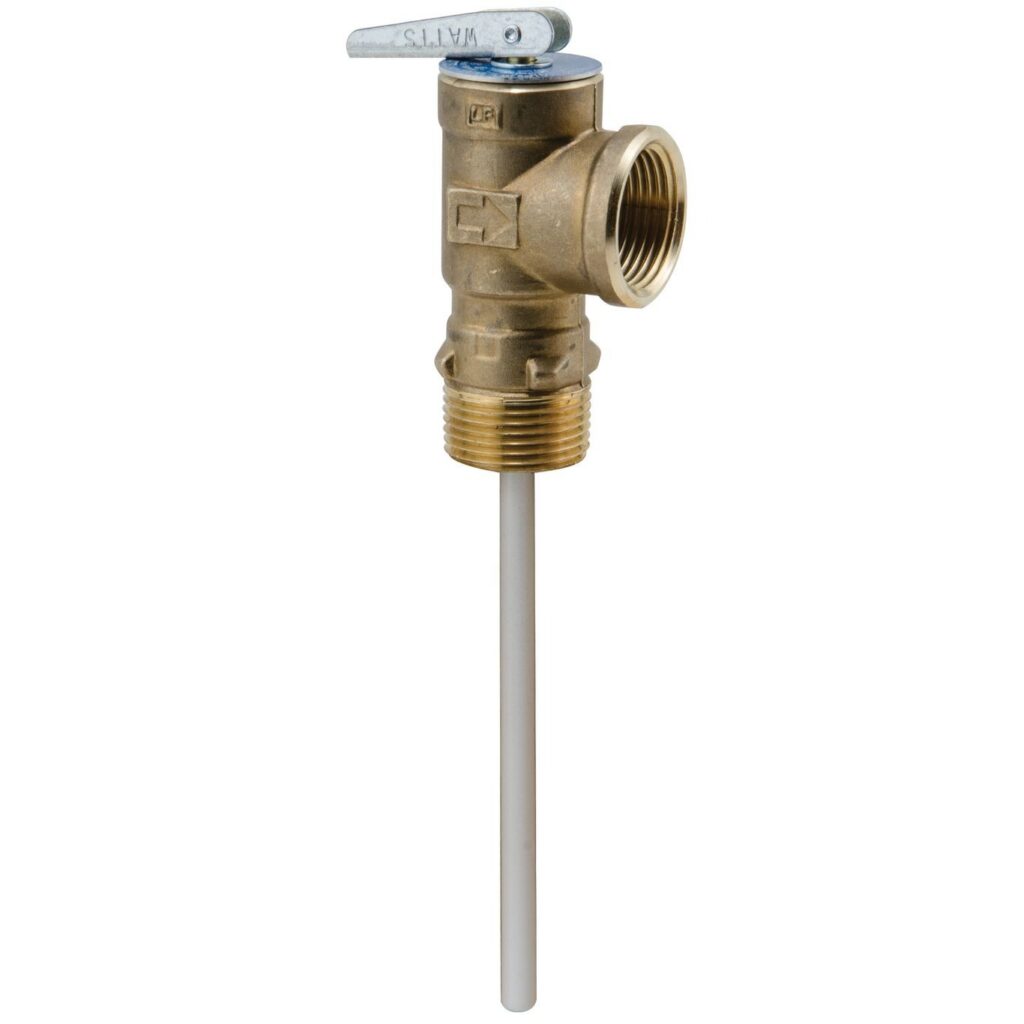
The sky really can seem like it’s falling when you’re suddenly confronted by a horrible plumbing problem in your home. It’s enough to make you want to cry. But before getting too upset, remember that the good plumbers at AAA AUGER Plumbing Services are here to help you with any Dallas plumbing problem. You just need to give us a call and we’ll soon be on our way- and at no extra charge.
Helping Customers for Over 55 Years

When it comes to your plumbing, out of sight is generally out of mind- until there’s a problem. Then, your plumbing problem becomes obvious and you become entirely focused on the issue. Before things get out of hand, contact the best Irving plumbing company that has the background, equipment, and best plumbing team needed to help solve the problem in the most affordable way.
Does Irving Professional Repiping Make Sense in Your Situation?
There are some plumbing solutions that make a lot of sense and some that don’t. When it comes to professional Irving repainting service, there are situations where repainting is an absolute necessity and other times when completely replacing the pipes is not necessary. So how do you know if repiping is essential or not?
Get Your Difficult Clog Removed by an Experienced Dallas Drain Cleaning Professional
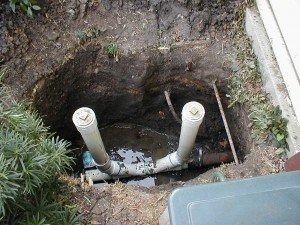
You’ve got a drain clog that doesn’t seem to be going anywhere. In fact, the clog is getting even worse and you can’t seem to solve problem by yourself. So, now what? The answer is to call us for professional Dallas drain cleaning service. We’ll get your drain clog removed and drain line completely cleaned out before you know it.
In Need of Reliable Emergency Irving Water Heater Service?
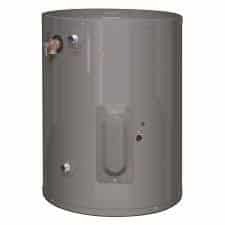
Your year has just started and you’re already facing a serious water heater problem. Well, when the going gets tough, the tough call on AAA AUGER Plumbing Services for unbeatable Irving water heater service. If it’s a real emergency and there’s no hot water to be found or a sizable leak somewhere, then not to worry- we can come over on the same day as you call, and at no extra charge.
Be Safe Rather than Sorry
Your plumbing is not something you want to be thinking about right after the new year. But, if you’ve started noticing some strange symptoms which point to a plumbing problem, then you really do need to take some steps before these symptoms turn into a real emergency. Calling for Dallas plumbing help now will provide you with peace of mind and the potential for massive savings on future repairs.
Is a Broken Dallas Water Heater Ruining the Start of Your Year?
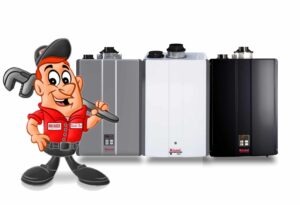
Despite lofty expectations, your new year has gotten off to a crummy start. Your Dallas home’s water heater isn’t working as it should. Maybe your water heater isn’t working at all and you have no hot water in the home. Not to worry, we at AAA AUGER Plumbing Services can get your water heater back to work and you back to having a good year with our professional emergency water heater service.
Knowing Just a Little About Your Plumbing in Dallas Can Be a Big Help
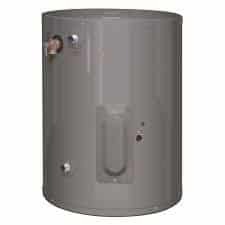
As the old saying goes, knowledge is power. This is true for most things and it’s also true if you want to have more power over your plumbing expenses. When you have a little knowledge about Dallas plumbing and how to fix small problems, you can end up saving yourself a lot of change.