Need Dallas Drain Cleaning Help but Got a Busy Schedule?

t’s a hectic time for a lot of folks. But with so much to do and so little time to do it, how can you get that drain clog issue finally taken care of? The answer is to give us a call here at AAA AUGER Plumbing Services. We offer professional Dallas drain cleaning service along with flexible scheduling.
It’s Going to be a Great 2021 After Solving Your Irving Plumbing Problems
You don’t want to bring any plumbing problems into the new year. If there’s a plumbing problem that you’ve been putting off, then make sure that problem gets solved before it has a chance to get worse and costlier for you in the new year. With our professional Irving plumbing services, you can make sure you stay plumbing problem-free in 2021.
We’ll Take Your Worries Away
If a plumbing problem in your Dallas home is keeping you from enjoying the holiday season, then we at AAA AUGER Plumbing Services can help. With the best budget-fitting Dallas plumbing services, we can solve your plumbing problem in the right way and at the right price- so you can quickly get back to enjoying the end of the year and a great start to 2021.
Broken Water Heater? Don’t Panic.
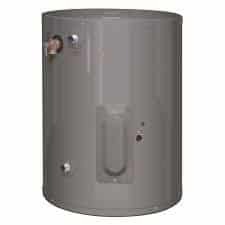
It’s the holiday season, and you thought everything was going to go exactly as planned. Well, someone decided to throw a wrench at your holiday plans by giving you a serious water heater problem. Now what? If your water heater isn’t working the way it should or isn’t working at all, then don’t panic. Just call us at AAA AUGER Plumbing Services for the best 24-hour Dallas water heater service.
Anode Rod Inspection

The anode rod is the water heater’s defense mechanism against rust and corrosion. Most water heaters use a “sacrificial anode rod” designed to deteriorate by attracting oxidants away from the tank. Some water heaters use a chemically inert anode rod to which electrical power is provided to achieve the same anti-corrosion function. If equipped with such, the information presented below does not pertain.
The anode rod is made of magnesium or aluminum wrapped around a steel core. The magnesium or aluminum covering has a higher galvanic reactivity than the steel core. This means that the magnesium or aluminum will corrode at a higher rate than the steel.
Chemical Additives
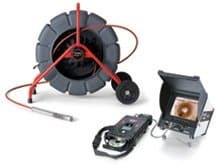
AAA AUGER discourages detergents, acids or root deterrents in plumbing systems. Many of these additives contain hazardous chemicals that could ultimately end up in our fresh water sources. Furthermore, many of these chemicals are caustic to pipe and may hasten its deterioration.
Dip Tube Inspection
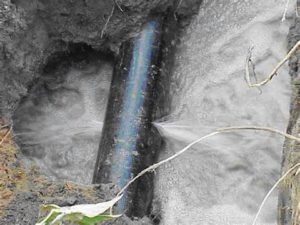
Some water heaters have side inlets near the bottom of the tank and do not use dip tubes.
Water heaters with a top inlet use a dip tube that extends from the inlet of the heater to approximately 8 inches from the bottom of the tank. When water is heated, it expands thus causing it to rise. The dip tube routes the incoming “cold” water to the heat source at the bottom of the tank. This also deters the incoming water from cooling the existing hot water thereby providing optimal efficiency.
Dip tubes may disintegrate. When this occurs, small plastic particles can often be found in faucet aerators. This can lead to erratic or diminished water flow from the faucets. As the condition of the dip tube worsens, the temperature of the hot water from the heater will continue to decrease.
Garbage Disposal Tips
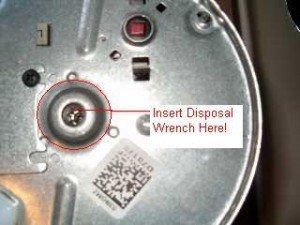
The garbage disposal has become very popular in the United States. In new homes, it is a standard amenity. When used properly, the garbage disposal can provide years of service.
Grease, Oil & Food Scraps

AAA AUGER discourages grease or cooking oils from being poured down kitchen sink drains or any other drain. Habitual abuse will inhibit or prevent drainage. Furthermore, animal fat, potato peels and pasta are notorious for stopping up kitchen drains and are better placed in trash receptacles rather than garbage disposals
Sewer Defects – What to Do?
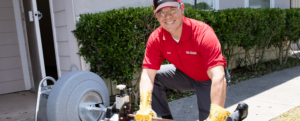
Slow drainage? Ceased drainage? Why? What to do?
When sewer lines cease to drain or drain slowly, the most sensible and most economical approach is to use a sewer auger machine properly fitted with a strong cable and correctly sized cutter blade to clean the line. However, although this is arguably the best primary approach, when defects are present within the line, sometimes drainage can not be restored in this manner.